


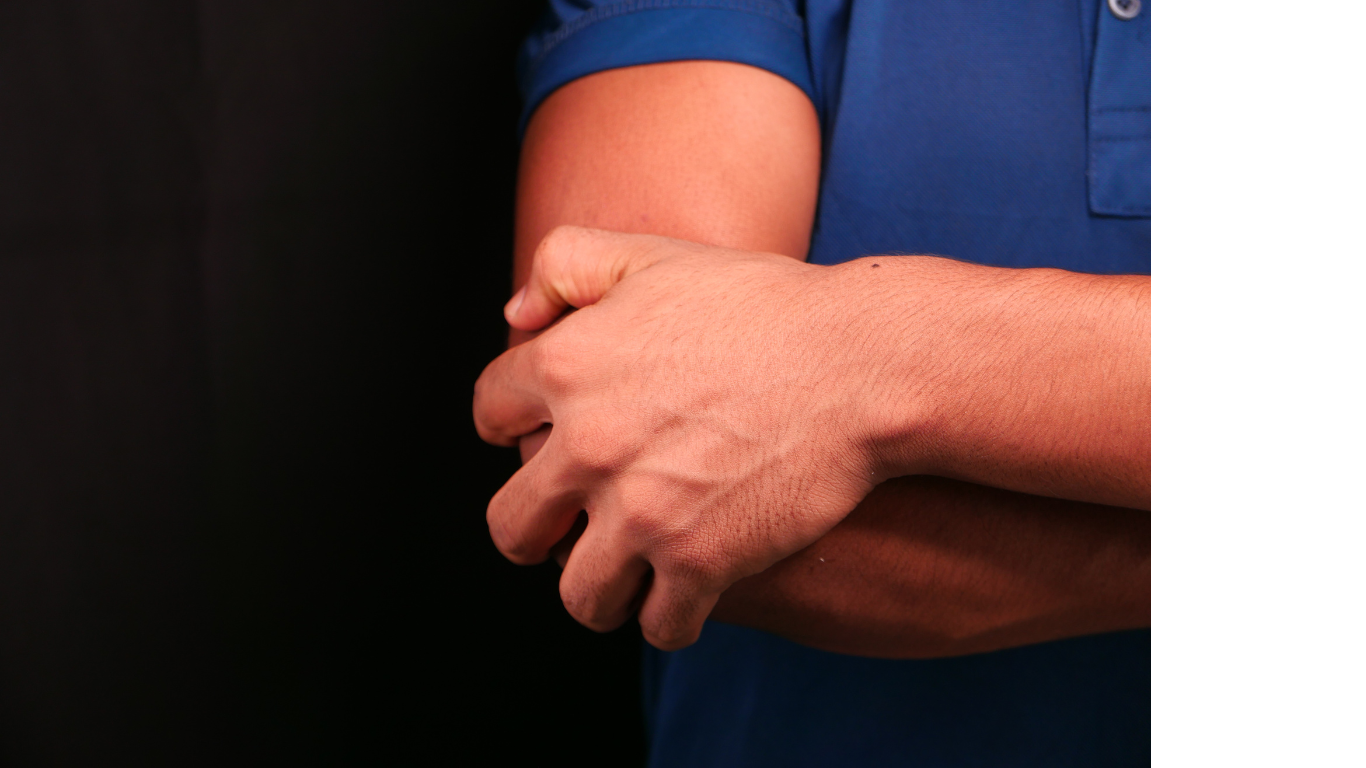
Tennis elbow and golfer’s elbow are common overuse injuries caused by tendon irritation around the elbow. Tennis elbow typically causes pain on the outside of the elbow, while golfer’s elbow is more common on the inside of the elbow. Symptoms can make gripping, lifting, typing, or sports painful. At Mountain View Pain Center, we help identify what’s driving your elbow pain and build a plan to reduce symptoms and restore strength.
We start by clarifying where pain occurs (inside vs outside elbow), what activities trigger it, and how it impacts grip strength and function. Your visit may include range-of-motion testing, tendon and muscle assessment, grip and forearm strength testing, and evaluation of wrist/shoulder mechanics that can contribute to overload. If symptoms include numbness or tingling into the hand, we may also screen for nerve involvement. We also check for red flags to determine whether imaging or referral is appropriate.
Seek prompt evaluation if you have sudden severe pain after trauma, obvious deformity, inability to move the elbow, rapidly increasing swelling, fever/chills, or numbness/weakness that is rapidly worsening.
At Mountain View Pain Center, our multidisciplinary team focuses on reducing tendon irritation and rebuilding strength safely:
Targeted options when appropriate if pain is persistent or overlaps with nerve/joint irritation.
Progressive strengthening and tendon-loading strategies, mobility work, and mechanics retraining to restore function.
Hands-on care to support mobility and reduce muscle tension, tailored to symptoms and comfort.
A supportive option that may help reduce discomfort and support recovery as part of a broader plan.
Every clinic below has Chiropractic, Physical Therapy, Acupuncture and Pain Management on one chart, so care can move between them without a new referral.
Downtown out through the north, west, south and east suburbs.
Academy, Interquest and Tenderfoot cover the north, central and south of the city.
Harmony in Fort Collins and our Greeley clinic serve Larimer and Weld counties.
Across the Valley, from the West Valley through Phoenix to the East Valley.
Tennis elbow usually affects the outside of the elbow; golfer’s elbow usually affects the inside. Both are tendon overload injuries.
Not always. If symptoms or exam findings suggest imaging would help guide care, we’ll recommend the appropriate next step.
Most people do best with activity modification and a progressive strengthening plan rather than complete rest.
It varies by severity and how long symptoms have been present. Our goal is to reduce pain and rebuild strength with a structured plan.
Yes. Progressive strengthening and mechanics retraining are often key for lasting improvement.
Often, no. Some insurance plans require a referral or authorization - if you’re unsure, we can help verify.
No, and complete rest usually makes it worse in the long run. What changes is the load: which movements to keep, which to modify and for how long. That is worked out at the examination.
Longer than most people expect, because the tendon rebuilds slowly. Physical Therapy is what does most of the work; an injection is used where the pain is preventing the loading the tendon needs.
Tennis Elbow & Golfer’s Elbow is treated at every Mountain View Pain Center clinic in Colorado and Arizona — see the full clinic map, Colorado or Arizona.