


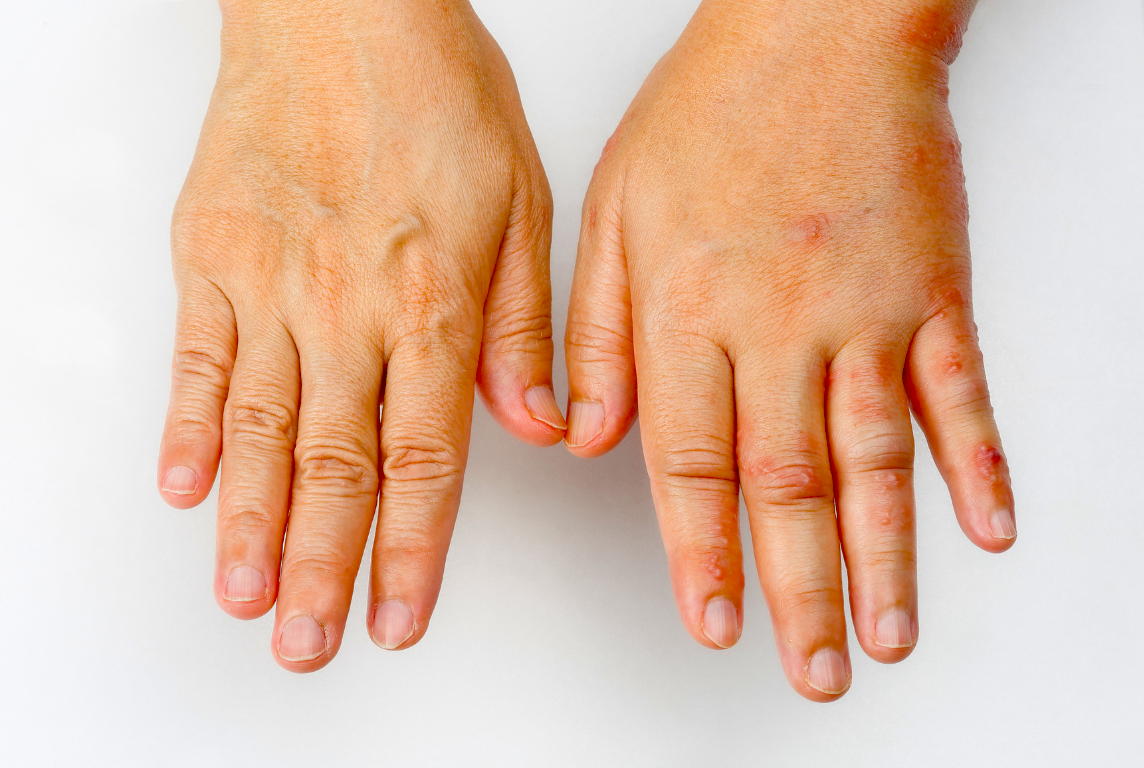
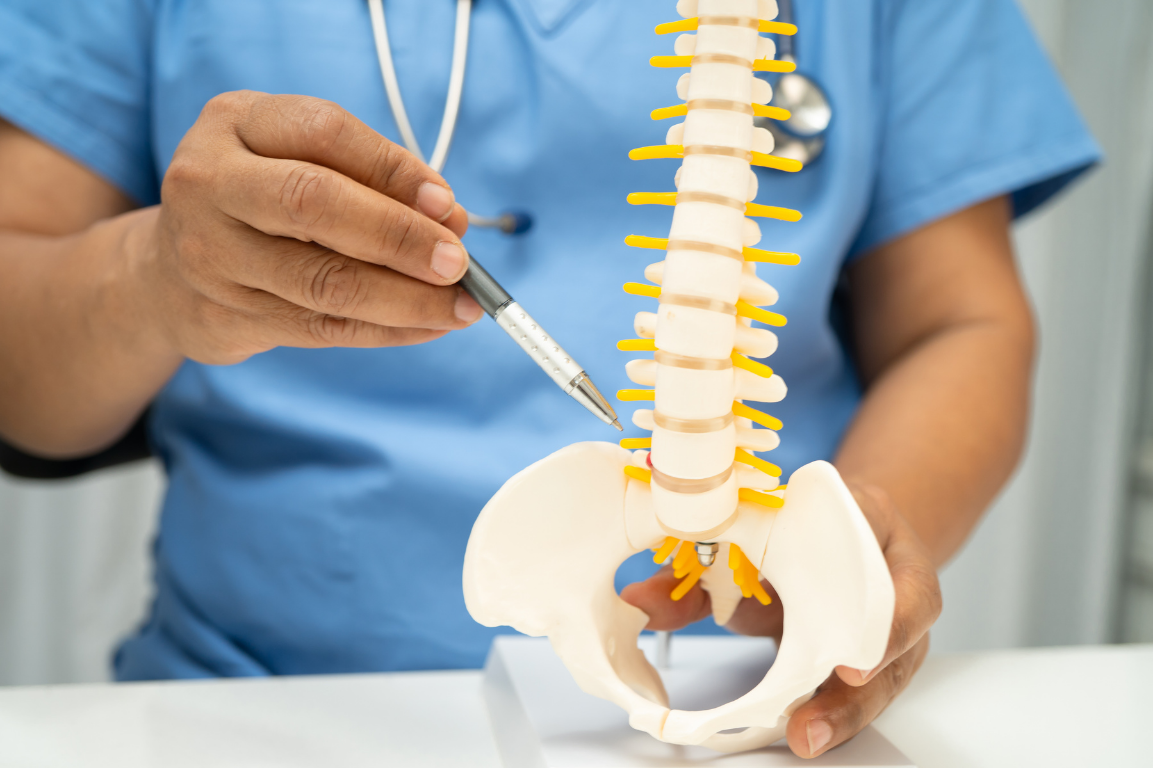
Complex Regional Pain Syndrome (CRPS) is a chronic pain condition that can develop after an injury, surgery, or trauma—often affecting an arm, hand, leg, or foot. Symptoms may include severe burning pain, swelling, sensitivity to touch, and changes in skin color or temperature. At Mountain View Pain Center, we help evaluate your symptoms and build a plan focused on pain control, function, and quality of life, while guiding next steps when specialty coordination is appropriate.
When to Seek Urgent Care
Seek urgent evaluation if you have signs of infection (fever/chills, spreading redness, drainage), sudden severe swelling, new significant weakness, chest pain/shortness of breath, or rapidly worsening symptoms. If your symptoms are severe and new after injury or surgery, prompt evaluation is appropriate.
CRPS is typically evaluated based on symptom pattern and clinical findings over time. We start by reviewing your history, timeline from injury/surgery, symptom progression, and functional limitations. Your visit may include assessment of swelling, temperature/color changes, sensitivity patterns, and movement limitations, along with a neurologic screen when appropriate. If additional testing, imaging, or specialty coordination is needed to support diagnosis and rule out other causes, we’ll guide the next steps.
Treatment is individualized and focuses on symptom control and restoring function as much as possible.
Treatment is individualized and focuses on symptom control and restoring function as much as possible.
Gentle, graded movement and desensitization-focused strategies to improve function and reduce guarding over time.
Hands-on care to support mobility and reduce contributing tension patterns, tailored to your symptoms and comfort.
A supportive option that may help reduce discomfort and support relaxation as part of a broader plan.
Every clinic below has Chiropractic, Physical Therapy, Acupuncture and Pain Management on one chart, so care can move between them without a new referral.
Downtown out through the north, west, south and east suburbs.
Academy, Interquest and Tenderfoot cover the north, central and south of the city.
Harmony in Fort Collins and our Greeley clinic serve Larimer and Weld counties.
Across the Valley, from the West Valley through Phoenix to the East Valley.
CRPS is a chronic pain condition that can develop after injury or surgery and may involve severe pain, swelling, sensitivity, and skin changes in a limb.
CRPS varies widely. Many people improve with a coordinated plan focused on function and symptom management. Early evaluation and consistent care can be important.
CRPS can affect how the nervous system regulates circulation and sensitivity in the affected area, which may lead to visible changes.
Yes. Gentle, graded movement and desensitization strategies can help improve function over time, tailored to tolerance.
Treatment is individualized. Many people benefit from coordinated care that supports symptom relief, movement, and function, with Pain Management involvement as appropriate.
Often, no. Some insurance plans require a referral or authorization—if you’re unsure, we can help verify.
In CRPS the nervous system has turned up its own gain, so signals that should register as touch arrive as pain. That is a change in how the signal is processed, not a sign that the limb is being damaged by the touch.
It is generally easier to work with when it is caught early, which is why appointments are usually available within the same week and no referral is needed to be examined.
CRPS (Complex Regional Pain Syndrome) is treated at every Mountain View Pain Center clinic in Colorado and Arizona — see the full clinic map, Colorado or Arizona.