


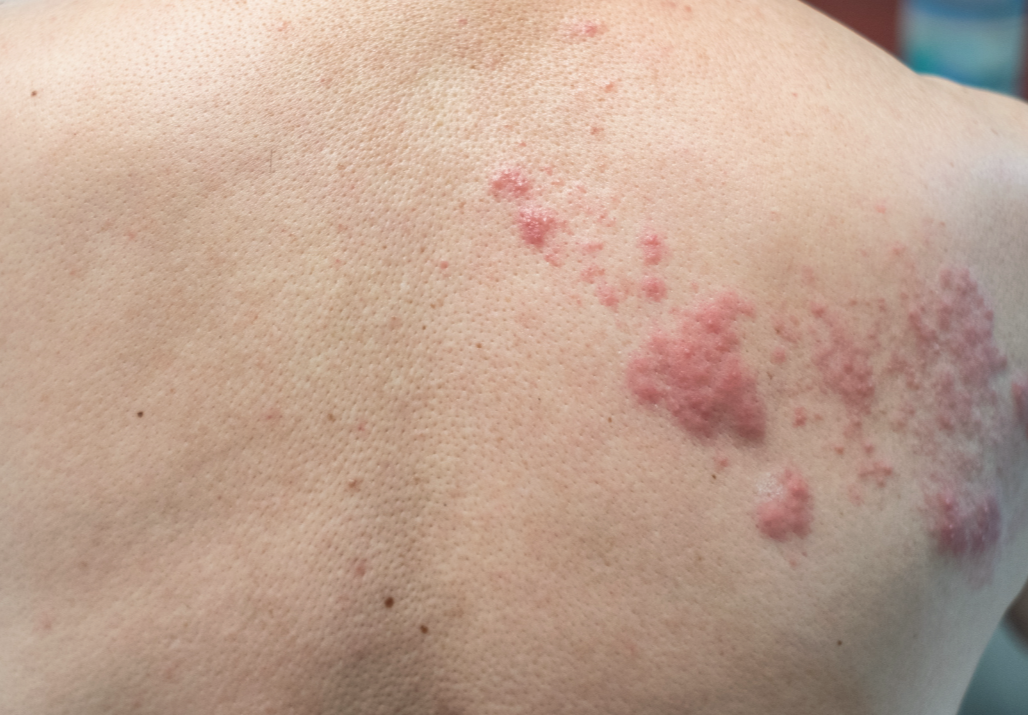
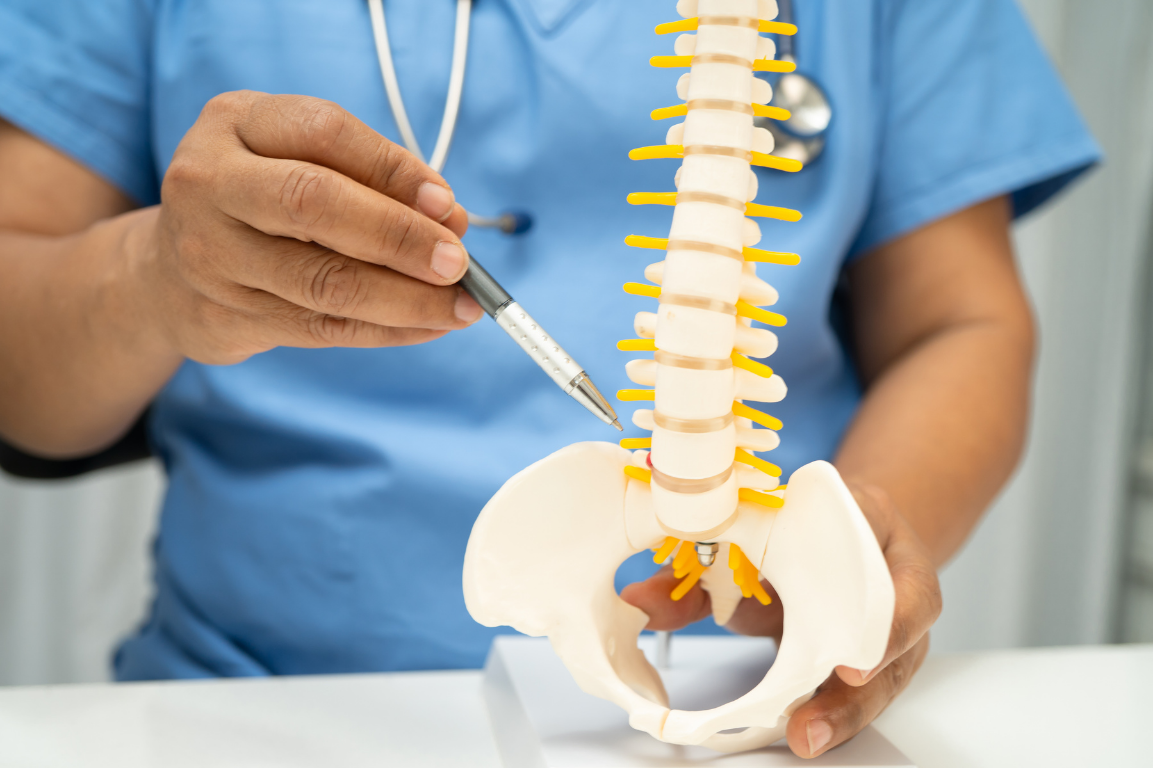
Post-herpetic neuralgia (PHN) is lingering nerve pain that can persist after a shingles infection. Even after the rash heals, some people experience burning, stabbing, or highly sensitive pain in the same area. At Mountain View Pain Center, we help evaluate your symptoms and build a plan focused on pain relief, function, and quality of life.
When to Seek Urgent Care
Seek urgent evaluation if you have sudden one-sided weakness, facial droop, slurred speech, severe headache, sudden loss of balance, or rapidly worsening symptoms. If you have reduced sensation plus new wounds, spreading redness, drainage, or signs of infection, seek prompt medical evaluation.
We start by confirming the timeline of shingles symptoms and where pain persists. Your visit may include a review of pain pattern, sensitivity, and how symptoms impact sleep and daily activity. Because PHN follows a distinct pattern, evaluation typically focuses on symptom history, functional impact, and screening for red flags or other causes if anything is atypical. If additional testing or referral is appropriate, we’ll guide the next steps.
Care is tailored to your symptom severity and goals, with a focus on comfort, safety & function.
Options to help manage nerve-related pain and improve day-to-day comfort when appropriate.
Movement and conditioning strategies to maintain function, reduce guarding, and support activity tolerance when pain leads to reduced movement.
Hands-on care to support mobility and reduce contributing tension patterns, tailored to your comfort and symptom sensitivity.
A supportive option that may help reduce discomfort and improve relaxation as part of a broader plan.
Every clinic below has Chiropractic, Physical Therapy, Acupuncture and Pain Management on one chart, so care can move between them without a new referral.
Downtown out through the north, west, south and east suburbs.
Academy, Interquest and Tenderfoot cover the north, central and south of the city.
Harmony in Fort Collins and our Greeley clinic serve Larimer and Weld counties.
Across the Valley, from the West Valley through Phoenix to the East Valley.
It’s nerve pain that persists after shingles. Pain can continue even after the rash resolves.
It varies. Some people improve in months, while others have longer-lasting symptoms. Our goal is symptom relief and improved quality of life.
PHN itself isn’t contagious. Shingles comes from reactivation of the chickenpox virus; your medical team can advise on contagious periods during an active rash.
PHN can cause nerves to become hypersensitive, so light contact (clothing, sheets) may feel painful.
Many patients benefit from a coordinated symptom management plan that may include Pain Management options and supportive therapies to improve comfort and function.
Often, no. Some insurance plans require a referral or authorization - if you’re unsure, we can help verify.
Yes. The rash can settle completely while the injured nerve keeps sending pain signals, which is why the timing does not always line up with how the skin looks.
An examination and a history rather than a treatment handed over on arrival. The provider maps where the pain sits, tests what the skin and the nerve are doing, and says what the plan would be before anything is started.
Post-Herpetic Neuralgia is treated at every Mountain View Pain Center clinic in Colorado and Arizona — see the full clinic map, Colorado or Arizona.