


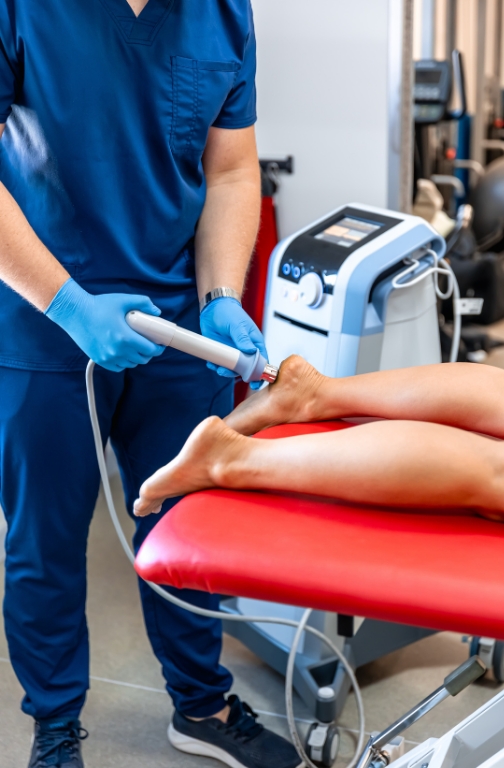
Diabetic peripheral neuropathy (DPN) is nerve damage associated with diabetes, most often starting in the feet and gradually affecting sensation, comfort, and balance. Symptoms can include burning, tingling, numbness, and pain that’s worse at night. At Mountain View Pain Center, we help you understand your symptom pattern and build a plan focused on relief, stability, and day-to-day function, while coordinating with your medical team when appropriate.
If your symptoms aren’t diabetes-related, see our Peripheral Neuropathy page for broader causes and patterns.
Diabetes can affect nerve health over time, and symptoms often follow a “feet-first” pattern. DPN can also feel worse when you’re still (like at night), which is why sleep disruption is common. We focus on the symptoms you’re experiencing and what’s most likely to improve comfort and function.
When to Seek Urgent Care
Seek urgent evaluation if you have sudden one-sided weakness, facial droop, slurred speech, severe headache, sudden loss of balance, or rapidly worsening symptoms. If you have reduced sensation plus new wounds, spreading redness, drainage, or signs of infection, seek prompt medical evaluation.
We start by clarifying where symptoms began (often the feet), how they’ve changed over time, and how they affect walking, sleep, and daily activities. Your visit may include:
If your history or exam suggests that additional medical evaluation is needed (labs, nerve testing, or coordination with your PCP/endocrinology), we’ll help guide that next step.
Care is tailored to your symptom severity and goals, with a focus on comfort, safety & function.
Options to help manage diabetes-related nerve pain when appropriate and support day-to-day comfort.
Balance training, strength, and mobility to improve stability, walking confidence, and lower-extremity function.
Hands-on care to support mobility and reduce contributing tension patterns, tailored to your symptoms and comfort.
A supportive option that may help with discomfort and relaxation as part of a broader plan.
Every clinic below has Chiropractic, Physical Therapy, Acupuncture and Pain Management on one chart, so care can move between them without a new referral.
Downtown out through the north, west, south and east suburbs.
Academy, InterQuest and Tenderfoot cover the north, central and south of the city.
Harmony in Fort Collins and our Greeley clinic serve Larimer and Weld counties.
Across the Valley, from the West Valley through Phoenix to the East Valley.
DPN is specifically associated with diabetes and often follows a “feet-first” pattern with nighttime symptom flares and balance concerns.
Many people notice nerve symptoms more when they’re still and trying to sleep. We can help with strategies to manage nighttime discomfort.
Yes. PT can improve balance, strength, walking mechanics, and confidence—especially when sensation changes affect stability.
Sometimes. If your symptoms suggest it, we’ll help guide next steps and coordinate with your medical team.
Improve comfort, reduce symptom flare-ups, support safe movement, and help you function better day-to-day.
Often, no. Some insurance plans require a referral or authorization - if you’re unsure, we can help verify.
No. The blood sugar side of it stays with whoever manages your diabetes. What is treated here is the pain, the balance problems and the loss of function that come with it.
Yes. Numbness without pain is worth examining, because the loss of protective sensation is what leads to injuries that go unnoticed.
Diabetic Peripheral Neuropathy is treated at every Mountain View Pain Center clinic in Colorado and Arizona — see the full clinic map, Colorado or Arizona.