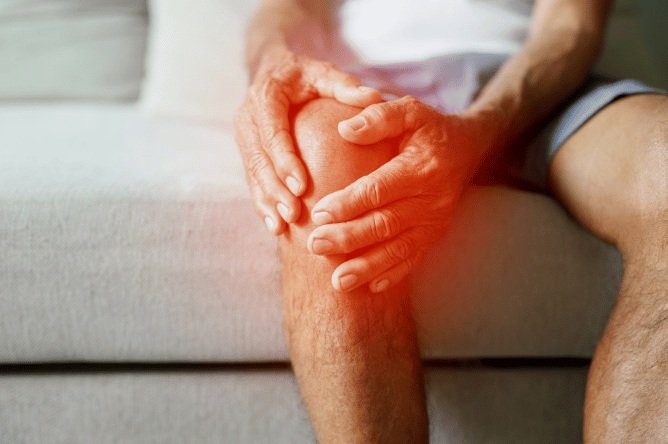



Knee Pain Treatment
The knee carries several times your body weight with every step, and in active states like Colorado and Arizona — hiking, skiing, pickleball, golf — it takes a beating. Knee pain is one of the most common reasons patients walk (or limp) through our doors, and one of the most rewarding to treat well, because the evidence for non-surgical care is strong.
Common causes we treat
Knee osteoarthritis — the big one, especially over 50: stiffness after sitting, pain with stairs, swelling after activity. Patellofemoral pain (kneecap pain) — pain at the front of the knee with stairs, squatting, or sitting long periods; common in runners and desk workers alike. Meniscus problems — catching, clicking, and joint-line pain; degenerative meniscus tears in middle age usually do NOT need surgery (rigorous trials show exercise therapy matches arthroscopy for most). Tendinopathies — patellar and quadriceps tendon pain in jumpers and lifters. Ligament sprains and post-injury instability. Bursitis and swelling conditions.
How we treat knee pain
Diagnosis first: exam, movement assessment, and imaging when it will change the plan.
Progressive strengthening — the closest thing to a cure for most knee pain. Quadriceps, glute, and hip strength measurably reduce arthritis and kneecap pain. Our physical therapists build and progress the program.
Manual therapy and chiropractic care for the joint restrictions and hip/ankle mechanics feeding the knee problem.
Injections when appropriate: corticosteroid injections for arthritis flares and gel (hyaluronic acid) injections for some arthritic knees — used to enable rehab, not replace it.
Acupuncture — evidence-supported for knee osteoarthritis pain. [link: /acupuncture]
Activity retraining: load management and technique work that lets you return to the sport instead of quitting it.
FAQs
Is walking good for an arthritic knee?
Yes — regular, tolerable activity plus strengthening is the guideline-recommended core treatment. Motion is lotion; we'll help you find the right dose.
Do I need an MRI?
Often not initially. Exam findings and X-rays answer most knee questions; MRI is for cases where the result changes management.
Can I avoid a knee replacement?
Many patients delay it for years — or indefinitely — with strengthening, weight management, and periodic injections. When a replacement truly is the right call, we'll say so and refer well.