

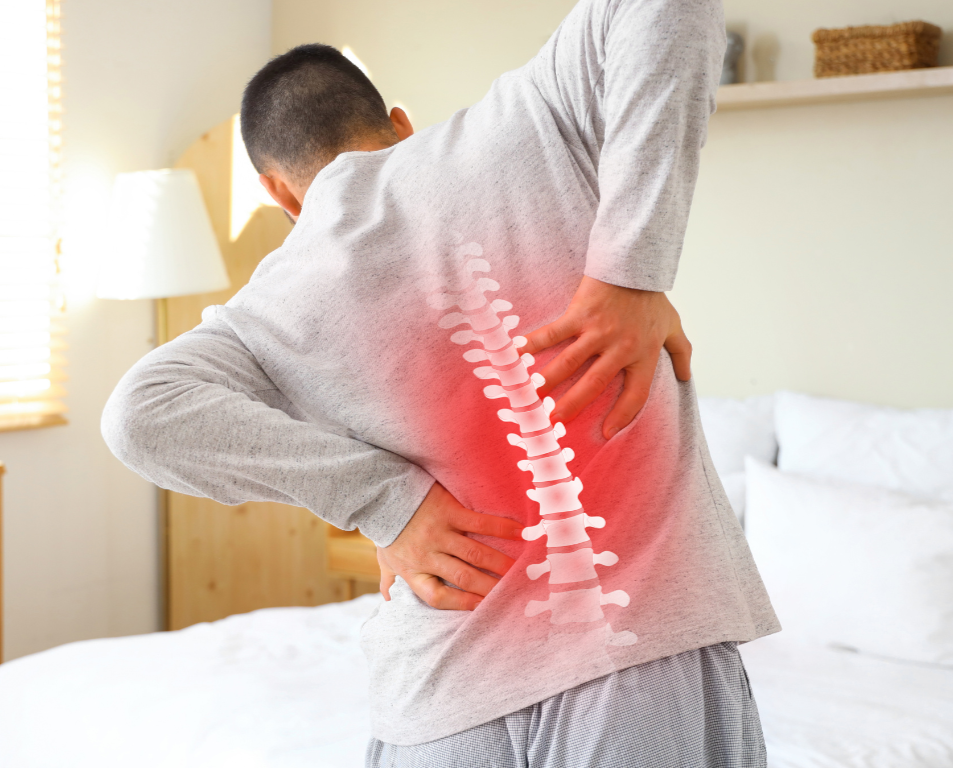

Post-laminectomy syndrome refers to persistent or recurring pain after spine surgery, including laminectomy or other decompression procedures. Symptoms may involve back or neck pain, radiating nerve pain, numbness, or functional limitations. At Mountain View Pain Center, we help identify contributing factors and build a plan to reduce symptoms and improve quality of life. If you’re dealing with ongoing pain after back surgery - including lingering back pain, leg pain, or nerve symptoms - we can help you understand your options and build a plan for relief and improved function.
When to Seek Urgent Care
Seek urgent evaluation if you have new or worsening weakness, loss of bowel or bladder control, saddle numbness, severe unrelenting pain after trauma, fever/chills, wound concerns (new drainage/redness), or rapidly worsening numbness/tingling.
We start by reviewing your surgical history, current symptoms, and functional limitations. Your visit may include movement testing, assessment of the spine, hips, and surrounding muscles, and—when symptoms include radiating pain, numbness, tingling, or weakness—a basic neurologic screen. We also review prior imaging and may recommend updated imaging or referral when appropriate, depending on symptom changes and red flags.
At Mountain View Pain Center, our multidisciplinary team combines evidence-based care to reduce pain and improve function:
Targeted diagnostic injections and image-guided procedures when appropriate to reduce inflammation and calm irritated nerves or joints.
Movement-based care to rebuild strength, stability, mobility, and confidence with activity—often with a graded plan tailored to tolerance.
Hands-on care to support mobility and reduce muscle tension, tailored to your symptoms and comfort.
A natural option to support pain relief and relaxation, often combined with your broader plan.
Every clinic below has Chiropractic, Physical Therapy, Acupuncture and Pain Management on one chart, so care can move between them without a new referral.
Downtown out through the north, west, south and east suburbs.
Academy, InterQuest and Tenderfoot cover the north, central and south of the city.
Harmony in Fort Collins and our Greeley clinic serve Larimer and Weld counties.
Across the Valley, from the West Valley through Phoenix to the East Valley.
It refers to persistent or recurring pain after spine surgery. Symptoms can include back/neck pain, nerve pain, or functional limitations.
Not necessarily. There can be multiple contributing factors to ongoing pain after surgery. Our goal is to identify what’s contributing and help you improve function and quality of life.
Not always. If symptoms change significantly or red flags are present, imaging may be appropriate. We’ll help guide that decision.
Many people benefit from coordinated care focused on strength, mobility, and symptom control—often combining PT, Acupuncture, and, when appropriate, Pain Management procedures.
In some cases, targeted injections or image-guided procedures can help reduce inflammation or clarify pain sources. We’ll discuss options if appropriate.
Often, no. Some insurance plans require a referral or authorization—if you’re unsure, we can help verify.
No. You can be evaluated here directly, and the notes and imaging are reviewed as they are. Whether a surgical opinion is worth revisiting is one of the things the Pain Management physician addresses.
Usually within the same week, and no referral is needed to book.
Post-Laminectomy Syndrome is treated at every Mountain View Pain Center clinic in Colorado and Arizona — see the full clinic map, Colorado or Arizona.