


Dr. Matthew Spears is a Chiropractor at Mountain View Pain Center, seeing patients at Northglenn. He earned his Doctor of Chiropractic at National University of Health Sciences in 2014 and has since trained with the Postural Restoration Institute and the Applied Integration Academy. No referral is needed, and our goal is to get you in within the same week.
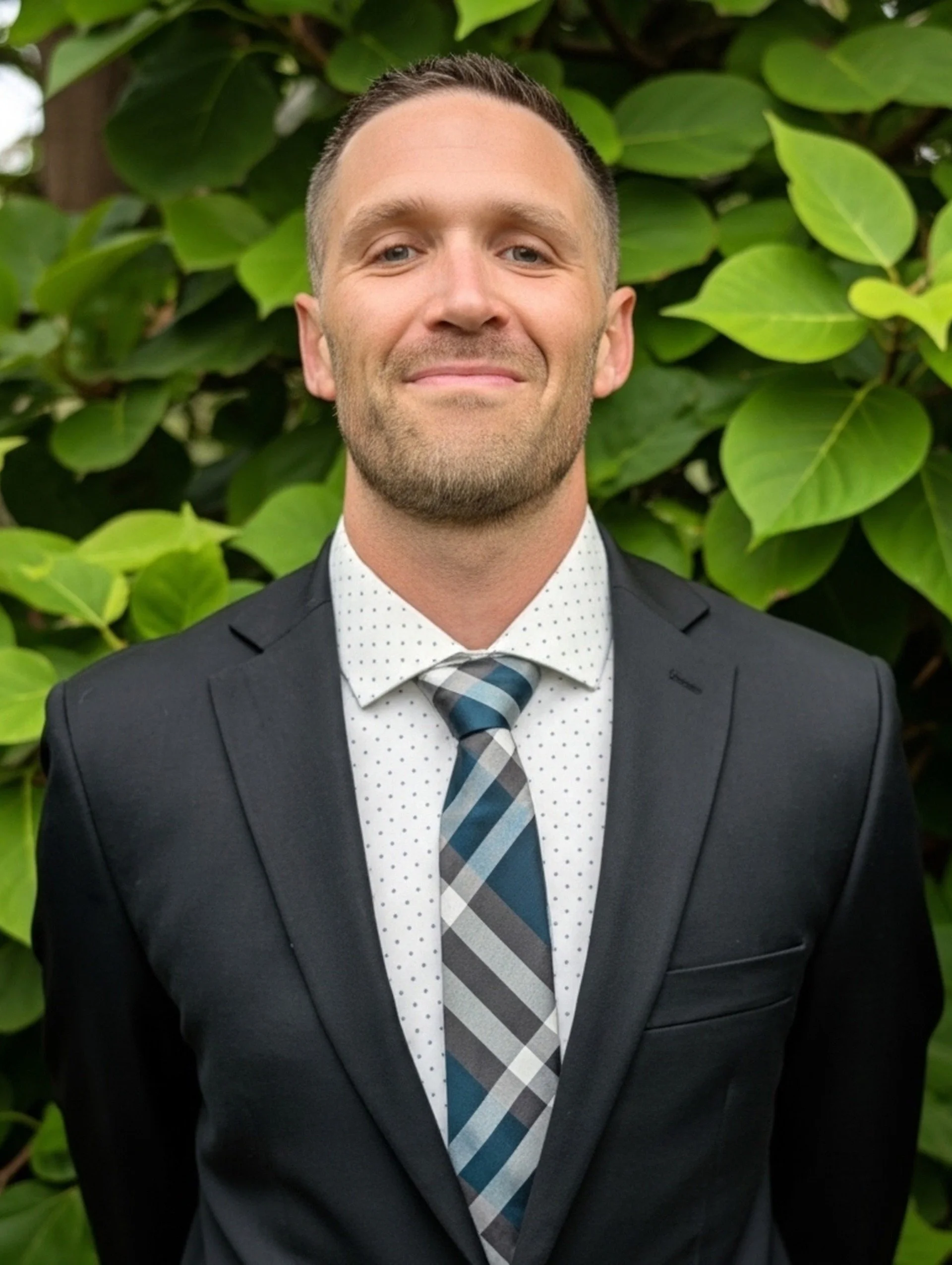
Matt Spears graduated from the National University of Health Sciences with his Doctor of Chiropractic degree in 2014. He was born and raised in Ohio, where he played football, basketball, and baseball growing up. Since Chiropractic school, he has done continuing education with the Postural Restoration Institute (PRI) and the Applied Integration Academy (AIA), which focus on how our movement and breathing patterns can contribute to chronic pain. He combines this knowledge with Active Release Techniques (ART) myofascial work to complement Chiropractic adjustments. Matt finds helping patients improve their quality of life very rewarding, and he looks forward to helping you get back to the activities you are passionate about. Outside of work, Matt can be found running, hiking, rollerblading, skiing, going to concerts, playing guitar, and exploring the city. He has run half marathons and is preparing for his first full marathon later in the year.
The human body is not symmetrical. The diaphragm is larger on the right, the liver sits under it, and the ribcage and pelvis orient accordingly, which means almost everyone develops a preferred side to stand on, rotate toward and breathe into. Most people carry that for decades without consequence. Some accumulate a pattern where one hip is always slightly forward, one side of the ribcage never fully expands, and a joint somewhere down the chain takes the difference. That is the lens Dr. Spears has spent his continuing education on, through the Postural Restoration Institute and the Applied Integration Academy.
The practical version is simple enough. He looks at how you stand, how the ribcage moves when you breathe, and which rotations you can and cannot get to, before deciding what to adjust. Sometimes the answer is the painful joint. Often it is the one that stopped moving two segments away and left the painful one doing extra work. Myofascial soft tissue work sits alongside the adjustment, and the exercise he sends you home with is usually about restoring a position rather than building strength.
The problems he sees most are lower back pain, neck pain, sciatica, herniated discs, headaches and migraines and injuries after a car accident.
Three techniques are used here, and which one you get depends on you rather than on habit. Diversified is the hands-on adjustment most people picture, with the audible release. Drop-table, also called Thompson, uses a table section that drops a short distance so the force needed is much lower. Activator is a small spring-loaded instrument that delivers a single controlled impulse and no twisting at all — which is what makes it the usual choice for someone nervous, someone older, or a joint too irritable to handle more.
Two other things are available alongside: spinal decompression, a motorised traction table used for disc-related leg or arm symptoms, and dry needling for the muscular component that survives the adjustment.
The part that matters most is what happens when Chiropractic is not the answer. Physical Therapy, Pain Management and Acupuncture are in the same building and on the same chart, so a change of direction is a conversation rather than a new referral and another wait.
Dr. Spears sees patients at Northglenn. That page lists the address, the hours and what a first visit involves.
For the rest of the team, see the Colorado Chiropractic providers page, or chiropractic care nearby for how it works locally.
No referral is needed for Chiropractic, Physical Therapy, Pain Management or Acupuncture, and our goal is to get you in within the same week.
Mountain View Pain Center is contracted with Medicare and with most major commercial plans, and we also work with personal-injury liens and workers’ compensation. Medicare covers spinal manipulation only — not the examination, the modalities or the therapies around it, which are billed separately. Our team can verify your benefits before your first visit.
Availability changes from week to week, so the honest answer is to ask. Request an appointment online and say you would like to see Dr. Spears, or call and our team will tell you what is open at Northglenn. No referral is needed, and our goal is to get you in within the same week.
Because pain reports where load ended up, not always where motion was lost. If a hip or a mid-back segment has stopped rotating, the joint next in line absorbs the difference and becomes the one that complains. Treating only the complaining joint tends to buy relief that does not last.
Mechanically, a lot. The ribcage and diaphragm position the spine above the pelvis, and a side that never fully expands changes how the segments above and below it move. This is a question about mechanics rather than about fitness, and it is assessed rather than assumed.
No. Chiropractic at Mountain View Pain Center does not require a referral, and neither do Physical Therapy, Pain Management or Acupuncture. If your own plan requires one, our team will tell you when they verify your benefits.
Medicare covers spinal manipulation only. The examination, imaging and any therapies performed alongside the adjustment are not covered under Medicare for chiropractic, so our team goes through what is covered and what is not before your first visit rather than after it.
Day or night, seven days a week — and we’ll text you back to get you scheduled. No referral is needed, and our goal is to see you within the same week. Colorado scheduling runs through one number for every Colorado clinic: (720) 749-5599.