

Mountain View Pain Center offers licensed Acupuncture for pain at Denver-metro clinics. Book it on its own or alongside Pain Management, Chiropractic and Physical Therapy, all on one chart. Your acupuncturist works alongside Pain Management physicians, chiropractors, and physical therapists, so Acupuncture supports the rest of your treatment instead of happening in isolation. Call (720) 749-5599 to confirm Acupuncture availability at your nearest clinic.
Spanish-language communication is available at every clinic through real-time translation.
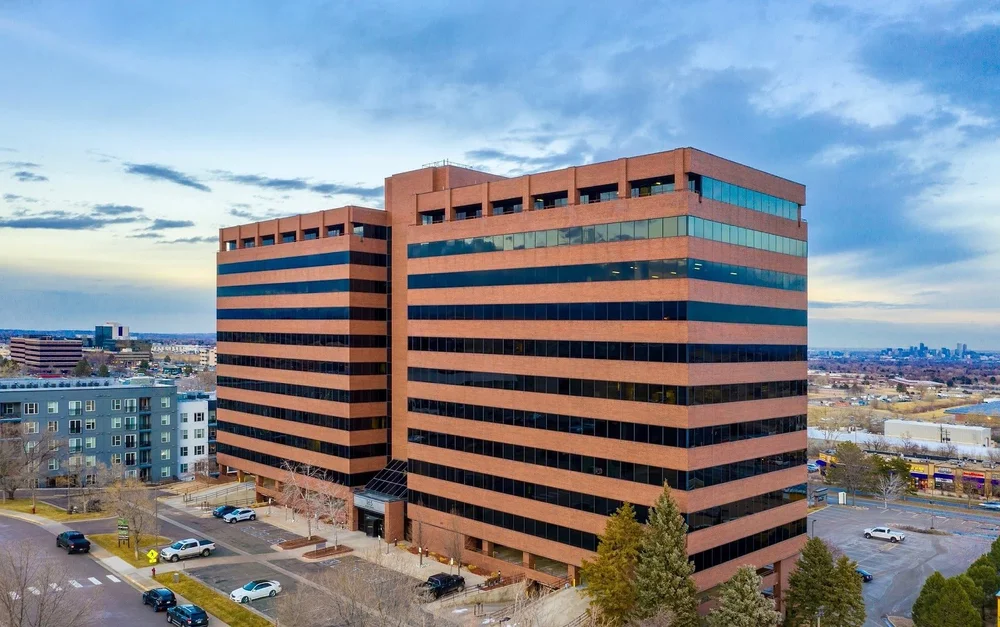
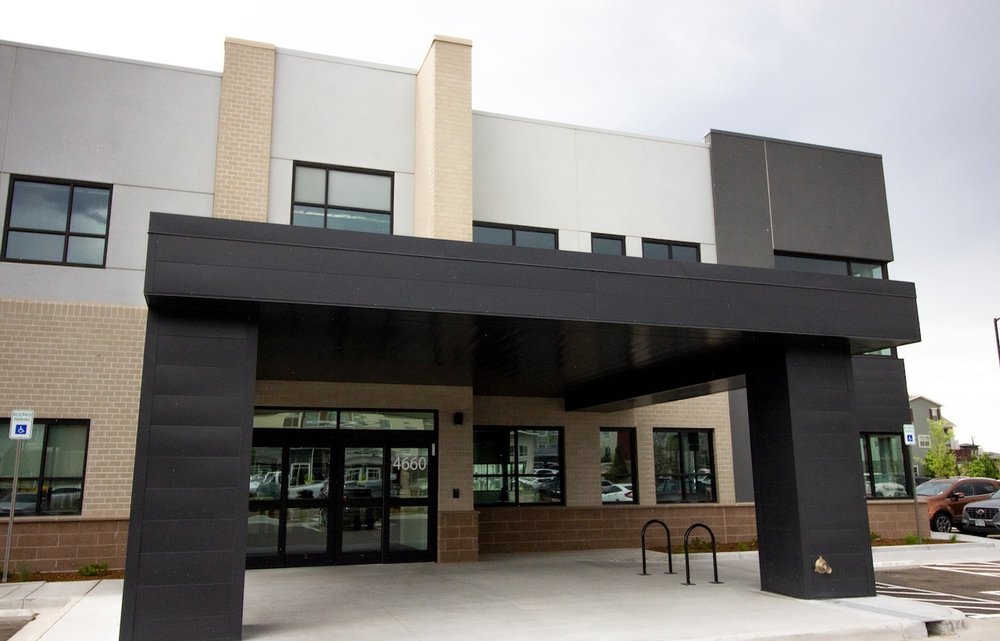
Acupuncture is commonly used as a complementary treatment for chronic pain, neck pain, back pain, headaches and migraines, and nerve-related symptoms such as peripheral neuropathy. Evidence suggests Acupuncture can meaningfully reduce pain for many patients, and it pairs well with active treatments like Physical Therapy. Learn more about Acupuncture at MVPC.
Also see Acupuncture vs dry needling and Chiropractic care in Denver.
Call (720) 749-5599 to book at a Denver-metro clinic.
East of the city, Aurora is covered on a page of its own — same integrated model, written around the clinic and the roads that feed it.
Cupping is offered at every Mountain View Pain Center clinic, Denver included, alongside Acupuncture. Cups are placed on the skin and suction lifts the tissue beneath them. Sessions are short, and the round marks they leave look like bruises and fade over several days.
It can be combined with Acupuncture, Chiropractic, Physical Therapy and Pain Management — all four on one chart, in the same building. No referral is needed, and appointments are usually available within the same week.
Most patients feel little to no discomfort — Acupuncture needles are hair-thin, and many people find sessions relaxing.
Yes. Acupuncture treatments at our clinics are done in private rooms.
It varies by condition. Many patients notice changes within the first few sessions; your provider will recommend a course based on your response.
Coverage varies by plan. We verify your benefits before your visit — call (720) 749-5599.
Yes — that's the point of integrated care. Many patients schedule Acupuncture alongside their other visits at the same clinic.
A review of your history and goals, an exam, and your first treatment — typically 30 to 60 minutes total.
No. Colorado allows direct access, so you can book an Acupuncture appointment yourself. If your particular plan wants a referral before it will reimburse, we will tell you when we verify your benefits.
Most often musculoskeletal pain, so neck, back, shoulder and knee, along with headaches, nerve pain, and the muscle guarding that builds up around a long-standing injury. Your practitioner will say at the intake whether it is a reasonable fit for what you have.
Yes. Every needle is sterile, single-use, and disposed of straight after the session. Nothing is reused between patients.
Yes. Bring the list to the first visit. Some medications, blood thinners in particular, change how the practitioner works and where, so the plan is set after the intake rather than before it.
Acupuncture is not a treatment for everything, and it is not usually the first thing tried. It earns its place where pain has become persistent, where medication is being avoided or has stopped helping, or where a nerve is involved.
Low back pain is the most studied use and the most common reason people book. It is most often chosen for pain that has settled into a pattern rather than acute injury in the first days, and it can be booked on its own or combined with Chiropractic care and Physical Therapy. More on lower back pain.
Neck pain that comes with muscle guarding and limited rotation often responds well, particularly where the surrounding musculature will not release with manual therapy alone. More on neck pain.
Where leg pain is driven by irritation along the sciatic distribution rather than by a disc that needs decompressing, Acupuncture is often used to reduce the muscular component while the underlying problem is treated. The examination comes first — leg pain with weakness needs a physician, not needles. More on sciatica and nerve pain.
Burning, tingling and numbness in the hands or feet are among the harder problems to treat, and Acupuncture is one of the few options that interact little with existing medication. It is used as part of a plan, not on its own. More on peripheral neuropathy and diabetic neuropathy.
Knee pain from osteoarthritis is a common use, usually paired with the loading program that actually changes the joint’s tolerance over time. More on knee pain.
Migraine and cervicogenic headache are different problems, and it is worth knowing which one you have before treating it. Acupuncture is used for both, more often as prevention than as rescue. More on headaches and migraines.
Pain that has outlasted the tissue healing behind it behaves differently, and the aim shifts from fixing a structure to changing how the system responds. That is where Acupuncture sits most comfortably alongside Pain Management — and where it is worth trying a course rather than a single session before judging it.
Not sure whether you want Acupuncture or dry needling? The difference is real and worth reading.
Acupuncture patients in Denver are seen by named, credentialed clinicians, and you can read about each of them before you book.
Every clinician listed here has a page setting out their training, what they work with most and where they see patients. The rest of the team is on the Colorado Acupuncture providers page.
Acupuncture at Mountain View Pain Center clinics across Colorado and Arizona — see Acupuncture or the full clinic map.