

Arthritis means inflammation of a joint, and it is one of the most common causes of chronic pain and disability in adults. The most frequent form, osteoarthritis, develops as joint cartilage wears down over time, causing pain, stiffness, and reduced motion — most often in the knees, hips, hands, and spine. Mountain View Pain Center helps patients manage arthritis and stay active using non-surgical care: Pain Management, Physical Therapy, Chiropractic care, and Acupuncture, coordinated in one plan.
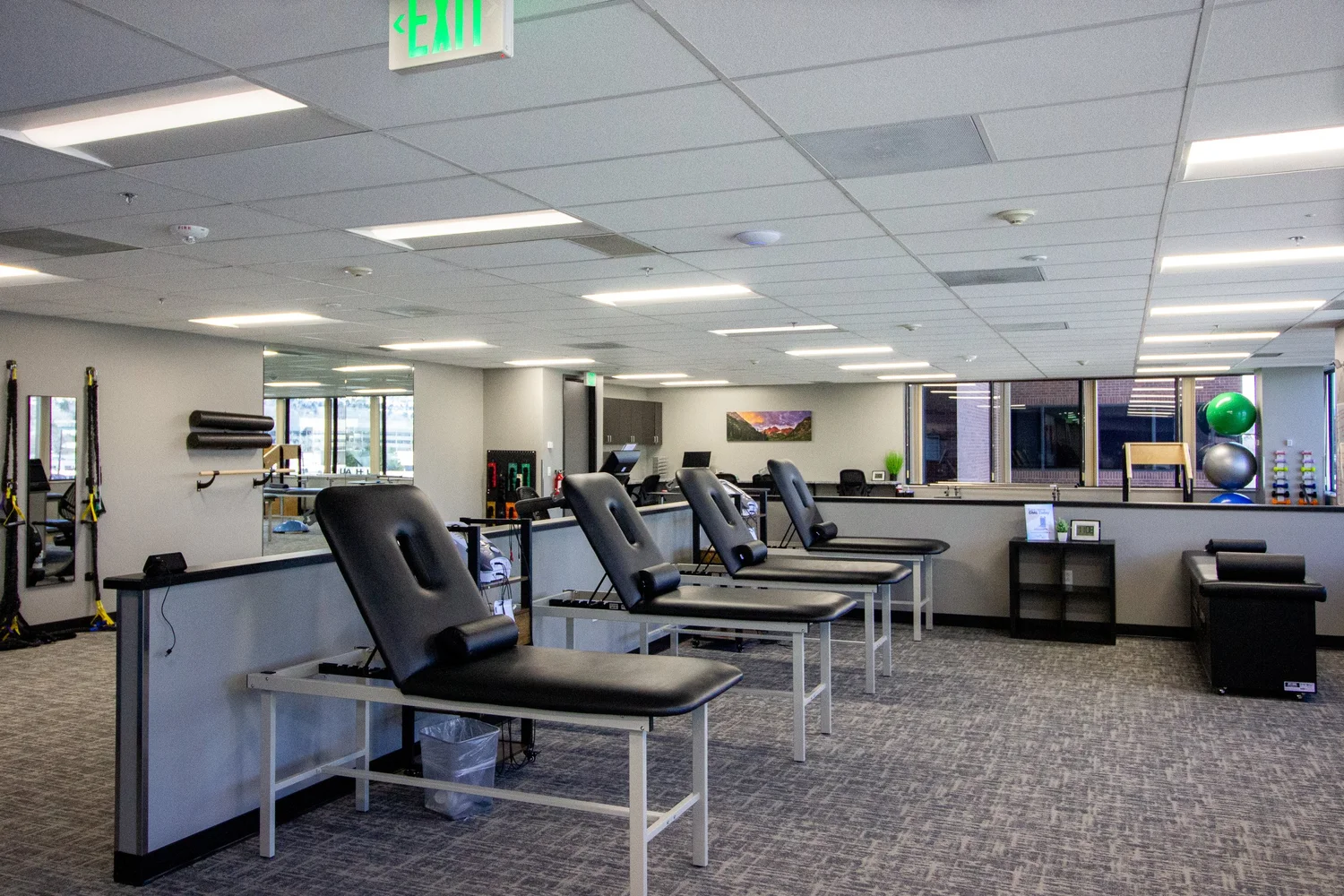
Osteoarthritis (degenerative joint disease) in the knees, hips, shoulders, hands, and spine — including facet joint arthritis in the neck and low back. Inflammatory arthritis, such as rheumatoid arthritis, is managed in partnership with rheumatology; our role is helping control pain and preserve function. Post-traumatic arthritis can develop years after a joint injury.
Joint pain that worsens with activity and improves with rest (the osteoarthritis pattern), morning stiffness, swelling or enlargement of the joint, grinding or crepitus, reduced range of motion, and flare-ups after overuse or weather changes.
We examine the affected joints and how you move, review your history and prior imaging, and recommend X-rays when staging the arthritis would change the plan. Because pain from an arthritic hip or spine can refer elsewhere, the exam covers neighboring regions too. When an inflammatory arthritis is suspected, we coordinate referral for rheumatologic workup.
Request Your Appointment — clinics across Colorado and Arizona, or call (720) 749-5599.
Last updated: July 23, 2026.
Arthritis is not one condition and it does not pick joints at random. Wear-related osteoarthritis tends to settle in the joints that have carried the most load over the longest time: knees, hips, the base of the thumb, the neck and the low back. It is usually asymmetric — one knee, not both, or one much worse than the other — and it builds over years rather than weeks.
Inflammatory arthritis behaves differently. It often starts in the small joints of the hands and feet, tends to show up on both sides at once, and comes with swelling that feels warm and boggy rather than bony. Stiffness in the morning that takes more than an hour to loosen points the same way.
That distinction matters on the first visit, because it changes who should be involved. Pain and function are what we treat. If the pattern suggests an inflammatory or systemic cause, that belongs with a rheumatologist alongside anything we do, and we will say so rather than work around it.
The most recognizable thing about arthritic joint pain is how it behaves across a day. The joint is stiff and reluctant when you first get up or after you have been sitting a while, it loosens once you start moving, and then it aches again after you have been on it too long. People describe the morning version as rusty or seized, and the evening version as a deep, dull ache that is hard to get comfortable with.
Grinding, catching or a crunching sensation under the kneecap is common and on its own is not alarming. Swelling that comes and goes with activity is common too. What is worth reporting is a joint that gives way, locks in one position, or has started limiting what you can do rather than just hurting while you do it.
Weather is the question we get asked most. Cold, damp days genuinely feel worse to a lot of people with arthritic joints, which is a real experience even though it does not mean the joint is deteriorating faster.
Arthritis is a long condition with a bumpy line rather than a steady decline. Most people have stretches where the joint is quiet and manageable, interrupted by flares that last days to weeks — often after a change in activity, an unusually long day on the feet, or a minor twist that would not have registered a few years ago.
That pattern is the reason a treatment plan for arthritis looks different from a plan for an acute injury. The aim is not a single course of treatment that ends. It is getting the joint through a flare, then keeping the surrounding muscle strong enough and the joint moving well enough that the next flare is smaller and further away.
It also means that what works changes over time. A plan that held for two years may stop holding, and that is not a failure of the plan — it is a signal to reassess rather than to keep pushing the same treatment harder.
Most arthritic joint pain can be assessed at a normal appointment. A few presentations cannot wait. A single joint that becomes hot, red, markedly swollen and very painful over hours, especially with a fever, needs urgent medical assessment rather than a scheduled visit — an infected joint is treated as an emergency.
Get prompt evaluation as well for a joint that has swollen after a fall or a twist and cannot bear weight, for new joint pain alongside an unexplained rash, weight loss or night sweats, and for sudden weakness or numbness in an arm or leg rather than pain alone.
None of these is common. They are listed because the difference between them and ordinary arthritis is obvious once you know what to look for, and because waiting is the one thing that makes them worse.
You do not need a referral to be seen — not for Chiropractic, Physical Therapy, Acupuncture or Pain Management. Our goal is to get you in within the same week.
The visit starts with history: which joints, how long, what makes it better and worse, what you have already tried and how that went. Then an examination of the joint itself and of the joints above and below it, because the way a painful hip changes how you walk is often what makes the knee hurt. Imaging is used when it would change the plan, not as a matter of routine — arthritic changes show up on scans in plenty of people who have no pain at all, so a film is read alongside the examination rather than instead of it.
The aim is that you leave with a diagnosis you understand and a plan you have agreed to. Bring a photo ID and your insurance card, any imaging or reports you already have, and a list of what you are taking. If a joint injection turns out to be the right next move, it is performed in office at every clinic. If another interventional step is the right next move, it is performed in office at Northglenn, north Colorado Springs, Mesa and Glendale, and every other clinic coordinates it to one of those.
Movement is the least popular and most reliable answer. Arthritic joints do better with regular, moderate loading than with rest — walking, cycling and water-based exercise all keep the joint fed and the surrounding muscle strong without hammering it. The useful rule is little and often rather than one long effort on a good day, which is what tends to trigger the next flare.
Heat before activity and cold after it suits most people, though it is worth trying both and keeping whichever helps you. Strength work through the muscles that support the joint changes how it feels more than anything else you can do at home, and a Physical Therapist can give you a short specific program rather than a generic list.
If a joint is in an active flare, scale back rather than stop. Complete rest stiffens it further and the return is harder.
Arthritic pain felt in the groin, with stiffness putting on socks and shoes, is covered in more detail on hip pain.
Every clinic below has Chiropractic, Physical Therapy, Acupuncture and Pain Management on one chart, so care can move between them without a new referral.
Downtown out through the north, west, south and east suburbs.
Academy, InterQuest and Tenderfoot cover the north, central and south of the city.
Harmony in Fort Collins and our Greeley clinic serve Larimer and Weld counties.
Across the Valley, from the West Valley through Phoenix to the East Valley.
No. While osteoarthritis becomes more common with age, it can follow joint injuries in younger adults, and inflammatory arthritis can begin at any age.
The opposite, for most people: appropriate, progressive exercise reduces arthritis pain and improves function. The key is the right type and dose, which is what a structured therapy program provides.
Cartilage loss can't be reversed, but symptoms can be managed well for years. Many patients maintain full, active lives with conservative care and never need joint replacement.
Osteoarthritis is mechanical wear of cartilage, usually in one or a few joints. Rheumatoid arthritis is an autoimmune disease that inflames many joints symmetrically and requires medical management by rheumatology.
Most patients can schedule directly without a referral. Some insurance plans require one for coverage — we verify your benefits before your first visit, so call (720) 749-5599 and we'll handle the details.
Not necessarily. Joint changes are common in people with no pain at all, and how a joint feels depends as much on the muscles around it and how it is loaded as on what the scan shows.
For most people it is the single most useful thing, provided the type and the amount are right for the joint involved. Working that out is what the Physical Therapy assessment is for.
Chiropractic care where movement has been lost, Acupuncture where it helps, and joint injections where the joint itself needs settling. Joint and trigger point injections are performed in office at every clinic.
Arthritis and joint pain are treated at every Mountain View Pain Center clinic in Colorado and Arizona — see the full clinic map, Colorado or Arizona.