

An epidural steroid injection (ESI) delivers anti-inflammatory medication directly to the space around an inflamed spinal nerve — the epidural space. When a herniated disc or spinal stenosis irritates a nerve root, the resulting inflammation drives pain down the arm or leg. Calming that inflammation at its source can break the pain cycle in a way pills often can't. Big Ideas, Real Impact. Facing a herniated disc decision? Read our in-depth guide: herniated disc — injection vs. surgery.
Same-week appointments are usually available.
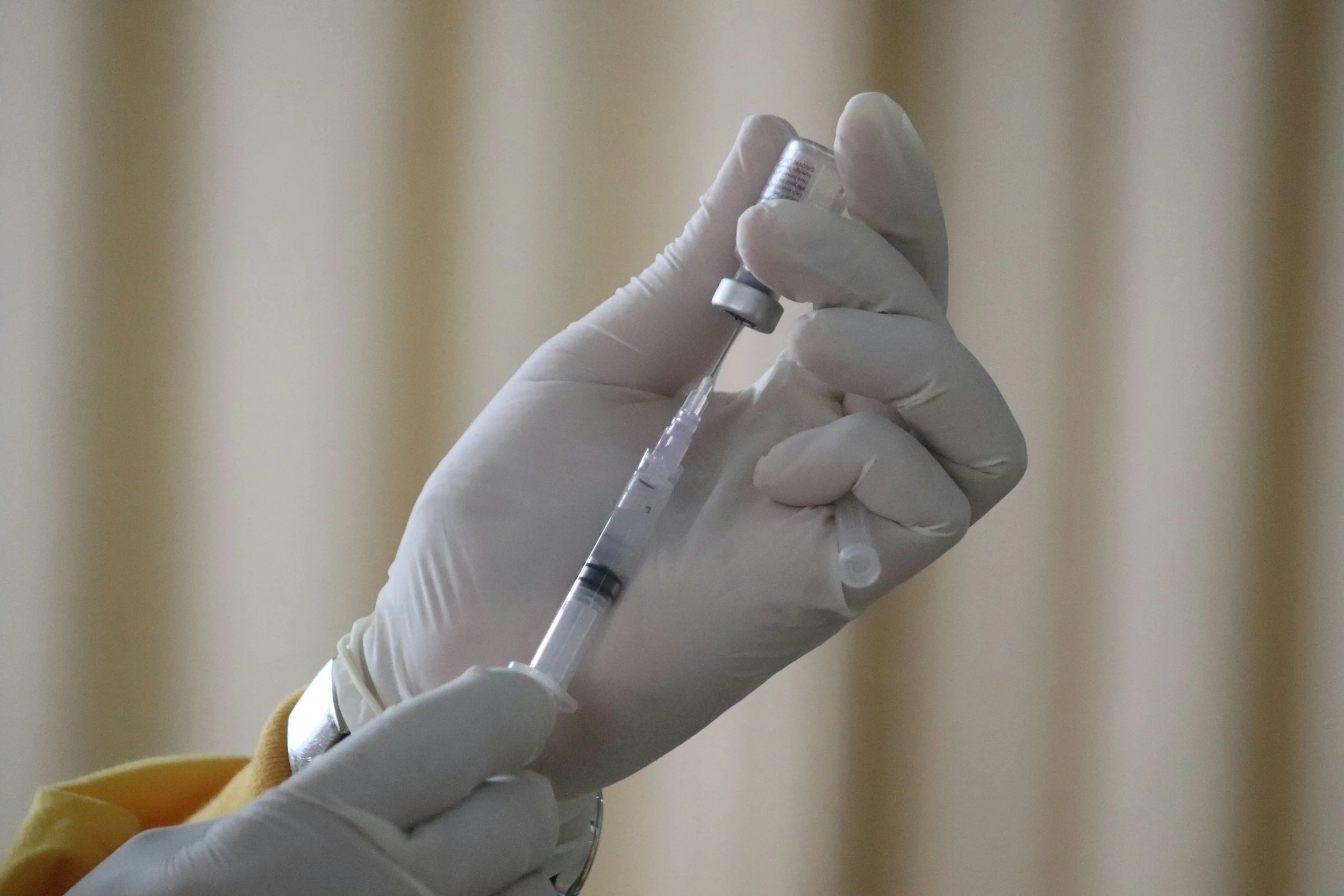

Most of the anxiety about an epidural steroid injection comes from not knowing how the visit runs. Here is the shape of it.
Tell us about any blood thinner well ahead of the appointment. Whether it needs pausing is a decision for the physician who prescribed it, and we coordinate that rather than leaving it to you. Say so too if you are pregnant or might be, if you have an active infection anywhere, if you are diabetic — a steroid can lift blood sugar for a few days — or if you have had a reaction to contrast or local anesthetic before. Eat normally unless we tell you otherwise, and bring your insurance card, a photo ID and a list of your medications.
You are positioned so the target is accessible, the skin is cleaned and numbed, and the needle is placed under imaging guidance so its position is confirmed rather than assumed. That guidance is the difference between treating the structure we identified and treating the neighbourhood around it. The procedure itself is measured in minutes; you are in the building longer than you are on the table.
Whether you need someone to drive you depends on whether any sedation is used, which we confirm when we schedule so it is not a surprise on the day. Plan a quiet rest of the day either way.
The local anesthetic often gives a few hours of good relief, and then it wears off and the original pain comes back. That is expected and it is not the injection failing — the steroid takes several days to do its work, so judge it on the following week rather than the following evening.
Ice the site if it is sore. Keep moving, but skip anything strenuous for a day or two unless you have been told otherwise. Write down what changes and when — how much the pain drops, for how long, and what you could do that you could not before. That record is what tells us whether to repeat, adjust or change course, and it is more useful than trying to remember at the next visit.
This is the part that catches people out, and almost nobody is told it in advance, so it is worth setting out in order.
The first few hours. Many people feel notably better almost at once. That is the local anesthetic, not the steroid, and it will wear off. It is still useful information rather than a false dawn: good relief in this window suggests the injection reached the place it was aimed at.
The first day or two after that. The anesthetic has gone and the steroid has not started working. The pain comes back, and for some people it is briefly worse than it was before, often with a sore injection site. This is the stage where people conclude the injection has failed. It has not. Ice the site, take it gently, and wait.
Days three to seven. The steroid begins to take effect. This is when the real answer starts to appear, and it is the earliest point at which judging the result makes any sense.
From about two weeks. Where you have got to by then is the result. That is the number we work from when deciding whether to repeat, adjust, or change course entirely — which is why writing down what changed and when is more useful than trying to remember it at the follow-up.
An injection buys a window. What you do with the window is what decides whether the pain stays down. Reduced pain is the point at which Physical Therapy becomes possible rather than unbearable, and the strengthening and movement work done in that window is what keeps you from needing the same injection again in three months.
That is the practical reason everything sits in one building at Mountain View Pain Center. The physician who performed the procedure and the therapist working on the movement problem underneath it read the same chart, so the plan adjusts on what actually happened rather than on what someone was told at a follow-up weeks later.
An epidural steroid injection treats inflamed nerve root pain. It is not a treatment for back pain on its own. If your pain sits in the back and does not travel, an epidural is usually the wrong tool, and we will say so rather than do it anyway — the benefit in that situation is small and the honest conversation is shorter than the alternative.
It is also deferred or declined where there is an active infection anywhere in the body, where blood thinning has not been reviewed and planned around, where there is a known allergy to the contrast or the steroid, and in pregnancy, because the guidance uses X-ray. Poorly controlled diabetes is not an absolute barrier but it does change the conversation, since steroid raises blood sugar for several days.
And if your examination shows progressive weakness rather than pain — a foot that is losing strength week on week — the right next step is a surgical opinion, not an injection. An epidural can mask the pain while the nerve continues to lose function, and that is the one outcome worth avoiding.
Most people have nothing worse than a sore back at the injection site for a day or two. Common and temporary effects include a flare of the original pain before the steroid starts working, facial flushing, a couple of restless nights, and a rise in blood sugar in people with diabetes.
Less common: a headache that is worse upright and better lying flat, which can follow a puncture of the membrane around the spinal cord and usually settles but should be reported; a patch of numbness or leg heaviness that wears off with the local anesthetic; and bruising at the site.
Rare but serious, and the reason this is done under imaging by a physician rather than blind: infection, significant bleeding around the spine, and nerve injury. Repeated steroid over a year has its own effects on bone and blood sugar, which is why these are spaced rather than given on demand.
Call us for a fever, for worsening rather than improving pain after a few days, for new weakness, or for any change in bowel or bladder control. That last one is an emergency, not a phone message.
An epidural steroid injection is performed in office at these Mountain View Pain Center clinics: Northglenn, InterQuest in north Colorado Springs, Mesa, and Westgate in Glendale. An epidural steroid injection is also performed at Lowry on specific days. Fluoroscopic guidance is available at Westgate and Mesa.
Every other clinic coordinates the procedure to one of those. That is worth stating plainly rather than leaving you to work it out: you can start at the clinic nearest you, be evaluated there, and have the procedure itself scheduled at the site equipped for it, without repeating the workup or starting again with a new team. Your notes, imaging and plan travel with you.
If you are not sure which clinic is nearest, the clinic pages list every location in Colorado and Arizona with directions and parking.
An epidural steroid injection is billed to medical insurance rather than paid for out of pocket. What varies between plans is not usually whether it is covered but what has to be documented first.
Most plans expect a record of conservative care before an interventional step — some combination of Physical Therapy, Chiropractic, medication and time — and many require prior authorization on top of that. This is the main reason a procedure gets delayed, and it is avoidable: the documentation is built as you go rather than assembled in a hurry at the end.
We are in network with most Medicare Advantage plans; call to confirm yours. Workers' compensation is accepted at every location, in both states, across Pain Management, Physical Therapy, Chiropractic and Acupuncture, and auto injury claims are handled through med-pay or a lien we hold directly. Referrals are not required for any of it.
Your benefits are checked in advance — before the visit, not after. Nobody should find out what something costs afterwards. See insurance for the plans each state's clinics bill directly, and ask about any plan that is not listed.
Every clinic below has Chiropractic, Physical Therapy, Acupuncture and Pain Management on one chart, so care can move between them without a new referral.
Downtown out through the north, west, south and east suburbs.
Academy, InterQuest and Tenderfoot cover the north, central and south of the city.
Harmony in Fort Collins and our Greeley clinic serve Larimer and Weld counties.
Across the Valley, from the West Valley through Phoenix to the East Valley.
Typically weeks to a few months — highly individual. The rehab you do during that window is what determines whether pain returns.
Generally up to 3–4 per year at most, and only if they're clearly helping. Repeating an injection that didn't help isn't our style.
Pressure and brief discomfort, less than most patients fear. Local anesthetic does most of the work.
No. You can request an evaluation directly in Colorado or Arizona. Whether an epidural injection is the right step is decided at that visit, from the exam and your imaging.
Usually, when it is medically indicated and documented. Some plans require prior authorization first. We verify your benefits before the appointment and tell you what to expect.
A single injection is a small, local dose, but it can raise blood sugar for a few days and occasionally cause facial flushing or a night or two of poor sleep. Tell us if you are diabetic so you can watch your levels.
That is information rather than a dead end. It usually means the pain is not coming from where we targeted, and the next step is to reconsider the source — often with a diagnostic nerve block — instead of repeating the same injection.
That is decided case by case by the Pain Management physician together with whoever prescribes it. Bring the full medication list to the appointment so it can be sorted out before the date is set.
A day or two of increased pain, after the local anesthetic wears off and before the steroid takes effect, is common and does not mean the injection failed. Ice the site and take it gently. What does need reporting straight away is a fever, new weakness, worsening numbness, or a headache that is worse sitting up and better lying flat.
Eat normally unless we tell you otherwise, and bring your insurance card, a photo ID and a list of your medications. Two things are worth sorting out before the day rather than on it: arrange someone to drive you home, because the local anesthetic can leave a leg heavy for a few hours, and tell us about any blood-thinning medication when the appointment is booked so it can be planned around. Wear something loose that gives easy access to the area being treated.
ESIs are most useful for radiating nerve pain: sciatica from a herniated disc, spinal stenosis leg pain, and cervical radiculopathy (nerve pain into the arm). They help less with purely axial back pain — and we'll tell you honestly if your pattern isn't a good fit.
What the procedure is like
Performed in-office under fluoroscopic (X-ray) guidance by our Pain Management physicians. After numbing the skin, the physician guides a thin needle to the target level, confirms placement with contrast dye, and delivers the medication. The procedure itself takes about 15 minutes; plan on under an hour door-to-door. Most patients drive home with a driver, resume normal activity the next day, and feel the steroid take effect within 2–7 days.
Risks, plainly
Serious complications are rare when performed image-guided by trained physicians. Common and minor: temporary soreness, a short-lived pain flare, facial flushing, or elevated blood sugar in diabetics for a few days. We limit steroid injections to a sensible number per year and always weigh them against your overall picture — tell us about blood thinners, infections, or diabetes.
An epidural is not a cure — it's a window. Relief typically lasts weeks to months, and the evidence is clearest for short-term improvement in nerve-related pain. The point of that window is what you do with it: patients who use the relief to complete Physical Therapy and rebuild strength get the durable outcome. An injection followed by nothing usually means the pain returns to baseline. That's why every ESI at Mountain View comes bundled with an active rehab plan, not instead of one.
It is performed in office rather than referred out to a surgical center: epidural steroid injection in Denver (Northglenn, and Lowry on specific days), epidural steroid injection in Colorado Springs (InterQuest), and epidural steroid injection in Phoenix (Mesa and Westgate).
Each page sets out who the procedure is for, what the appointment involves, and how it is billed.
Epidural steroid injections are performed at our procedure clinics — Northglenn, InterQuest, Mesa and Westgate, and Lowry on specific days — and every MVPC clinic can evaluate you and book it; see the full clinic map, Colorado or Arizona.