

Get evaluated this week, even if you feel mostly fine.
If you have been in a collision in Aurora, get evaluated this week — even if you feel mostly fine. Whiplash and soft-tissue injuries typically peak two to three days after impact, not the same day. A gap between the crash and your first medical visit is also the most common reason an injury claim gets reduced.
Mountain View Pain Center has clinics in Aurora. Board-certified Pain Management providers and licensed chiropractors work in the same building, so your exam, imaging referral and first treatment happen together rather than across offices over three weeks.
Same-week appointments are usually available.
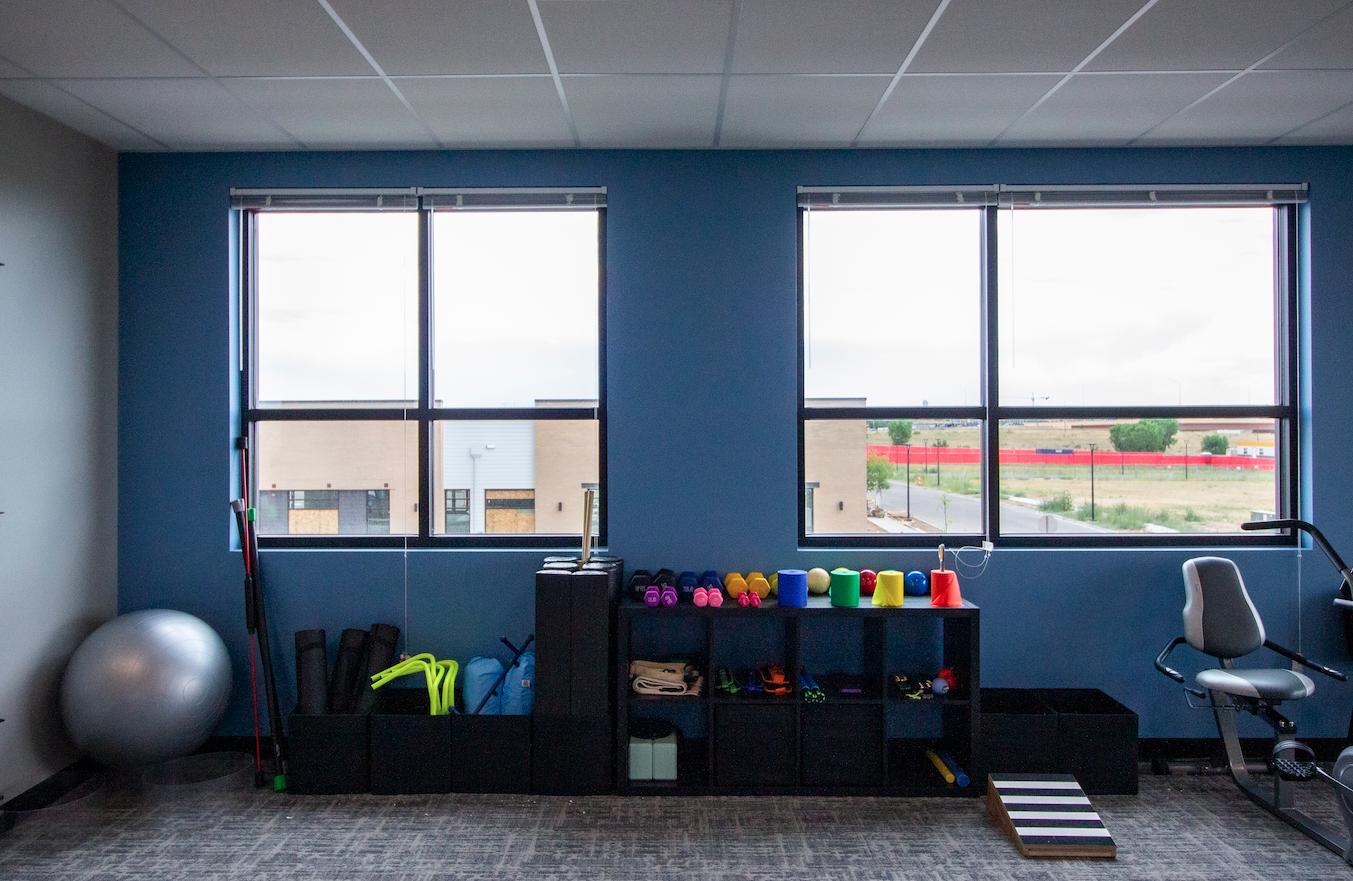
Auto-injury and whiplash training is something every one of our chiropractors has, not a specialism a few of them hold. It is where care begins, not the limit of it.
Care comes from a team of board-certified Pain Management physicians, the advanced-practice providers they supervise, chiropractors and physical therapists, sharing one chart. That is what makes the record an adjuster or attorney receives complete and internally consistent.
If getting here is the problem, medical transportation is available to accident patients and goes on the lien rather than on you.
Spanish is covered at every clinic through real-time translation.
Your attorney is kept in the loop for as long as treatment runs. Not having one is fine.

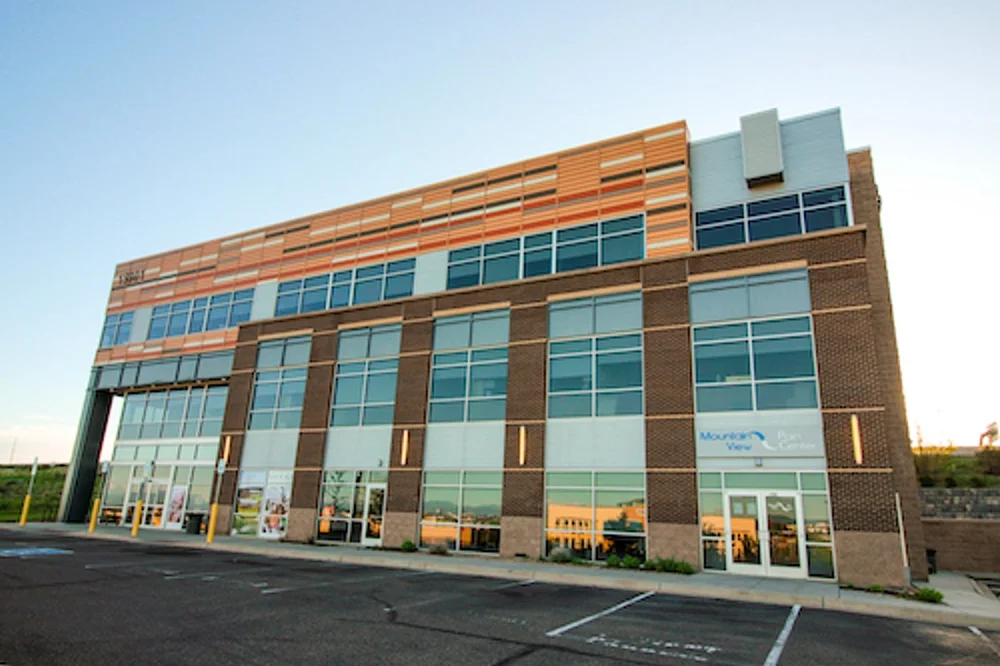
Our clinics can usually offer an appointment within the same week after a collision. Call (720) 749-5599.
Get evaluated even without obvious pain. Adrenaline masks injury for the first one to three days.
Say yes to documentation. A dated clinical record from week one is the strongest evidence a claim can have.
Keep every appointment. A disc injury can declare itself in week three, and a complete record shows what changed and when.
Bring your claim number and adjuster contact so billing goes through auto med-pay rather than your health deductible.
Whiplash and cervical strain is the most common crash injury, and the most commonly under-treated.
In whiplash the head snaps forward and back, straining the muscles, ligaments and discs of the cervical spine. It can happen at impact speeds well below 15 mph, which is why low-speed collisions on Parker Road or in a Southlands parking lot still produce real injuries.
Symptoms usually appear one to three days after the collision: neck stiffness and pain, headaches starting at the base of the skull, shoulder and upper back pain, reduced range of motion, dizziness, and sometimes tingling into the arms.
Treatment normally combines Chiropractic care and manual therapy to restore motion, with interventional Pain Management — targeted injections or nerve blocks — where pain is severe or not responding. In Colorado, procedures are performed at our Northglenn and InterQuest clinics and at our surgery center in Denver. Spine injections are also performed at Lowry on specific days. Most cases resolve in six to twelve weeks.
The compression and rebound of an impact is enough to bulge or herniate a disc in the neck or the low back. The signal that distinguishes a disc injury from a muscle strain is pain that radiates — down an arm, or into the buttock and leg — often with numbness, tingling or weakness.
A disc injury justifies imaging and often needs interventional Pain Management, not manual therapy on its own. They also take longer to resolve, and they are the cases where early, well-documented diagnosis matters most.
Both — and under one roof if you can manage it. The physician makes the diagnosis and orders imaging; the chiropractor treats the soft-tissue and joint injuries behind most crash cases. Separate them into two practices and care slows down while the records your claim rests on come apart.
At our Aurora clinics, Pain Management and Chiropractic care sit under one roof and work from one plan.
Work injuries follow much the same pattern as crash injuries: back and neck strain from lifting, repetitive-motion injuries, and slip-and-fall trauma. We treat work injuries at our Aurora clinics and provide the documentation workers' compensation requires.
Colorado is an at-fault state. Medical payments cover, or med-pay, is not compulsory in Colorado but is widely held, and it generally pays crash treatment without touching your health deductible. Med-pay applies whoever was at fault.
Auto med-pay is billed direct, and where an attorney is acting we can work on a lien. Bring your claim number and adjuster details to the first visit and our team will confirm your coverage before treatment begins.






No. No attorney is needed to be seen, and the decision should not hold up your care. Being evaluated early serves your recovery and your claim at the same time. If you retain counsel later, complete records from the first week are what they will want most.
Inside the first week, and better still inside 72 hours. Soft-tissue injuries often peak two or three days after the impact rather than on the day.
Same-week appointments are often available at our Aurora clinics. Call (720) 749-5599.
Southlands, at 6155 S Main St, for east Aurora, Tallyn's Reach, Saddle Rock and Parker. Arapahoe, at 15901 E Briarwood Cir, for Centennial, Greenwood Village, Englewood and Smoky Hill.
Usually not. In Colorado, treatment after a crash usually goes to auto med-pay rather than your health plan.
Get evaluated anyway. A clean examination recorded in week one still counts for something; symptoms that first appear in week three with nothing on file before them are far harder to tie to the crash.
Yes. We produce the documentation attorneys need and can work on a lien where that fits.
Yes — med-pay in Colorado is not conditioned on fault.
Yes. We either bill auto med-pay directly or hold the lien, which means no out-of-pocket payment from you for as long as the claim runs. We verify benefits ahead of the first appointment rather than afterwards.
That is often what uninsured and underinsured motorist coverage on your own policy is for. Insurers in Colorado have to offer med-pay, and unless you rejected it in writing you have it, which means it usually pays regardless of fault. We find out what is available ahead of the first appointment.
Yes — your attorney is kept coordinated with throughout, and records go to their office directly.
Yes — transport is available to accident patients and goes on the lien.
Car accident injury treatment across Colorado and Arizona · Denver · Littleton.