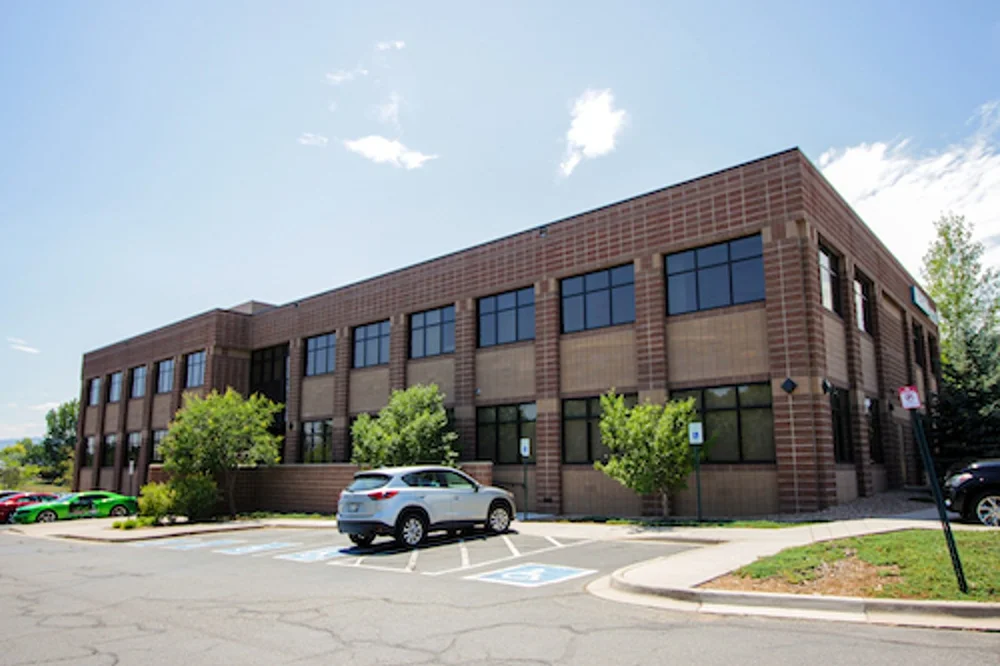

Get evaluated this week, even if you feel mostly fine.
If you have been in a crash in Denver, get evaluated this week — even if you feel mostly fine. Whiplash and soft-tissue injuries usually peak two to three days after impact, and a gap between the collision and your first medical visit is the most common reason an injury claim gets reduced.
Mountain View Pain Center's Denver clinics treat whiplash, back injuries and other crash-related pain with Chiropractic care, Physical Therapy and interventional Pain Management in one coordinated plan. We work with med-pay and health insurance, and document your recovery thoroughly for your records.
Same-week appointments are typically available.
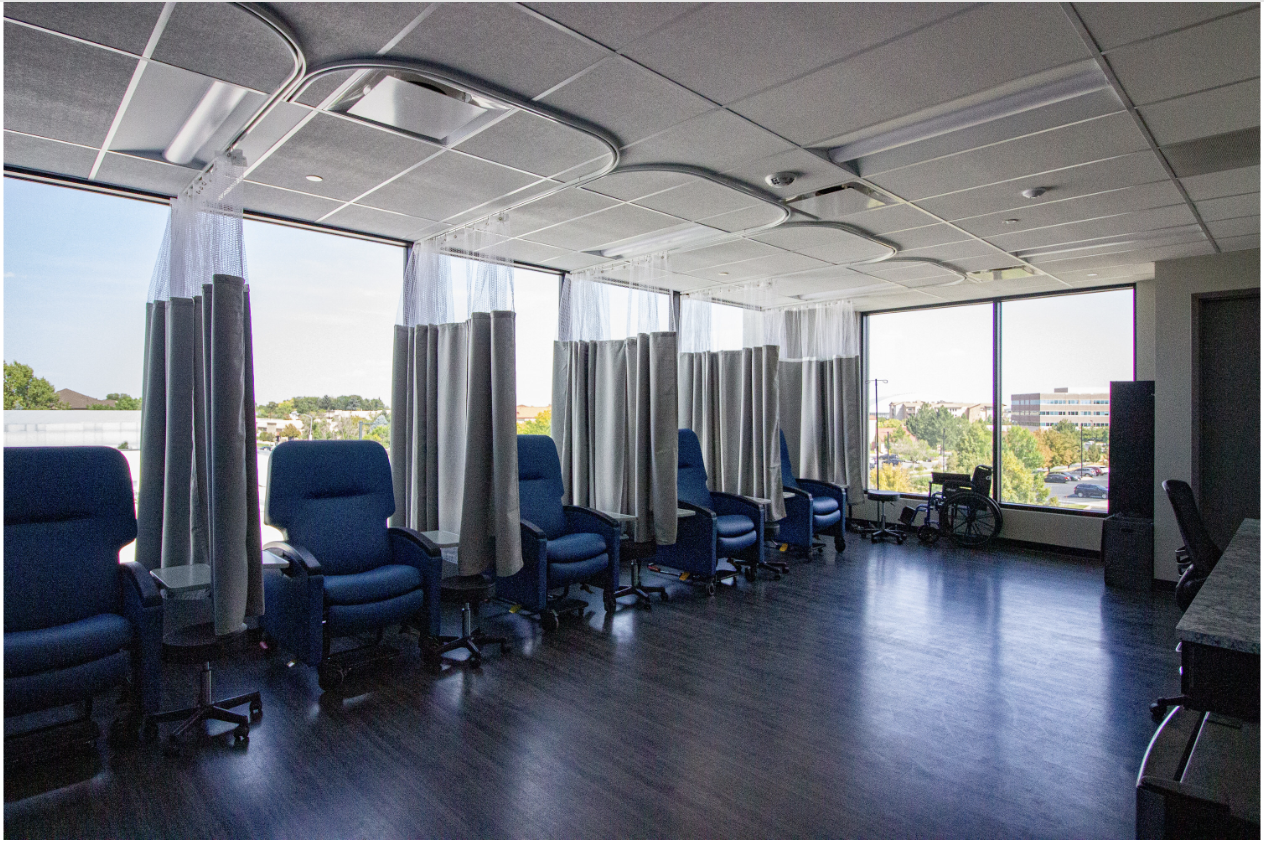
Whiplash and auto-injury care is standard training for every chiropractor in the group, Denver included. That is the starting point rather than the whole of what is available.
You are treated by a team rather than one provider: board-certified Pain Management physicians, the advanced-practice providers working under them, chiropractors and physical therapists, all writing into a single chart — so what reaches your adjuster or attorney is one consistent record instead of several partial ones.
Accident patients can have medical transportation arranged, billed to the lien, so a missing ride is not what ends a course of treatment.
Every clinic can hold the appointment in Spanish using real-time translation.
If you have an attorney, we stay coordinated with their office for the length of the treatment.
If you are searching for a whiplash doctor in Denver, what you most likely need is not one specialist but a team: someone who can diagnose the injury, order imaging if the exam warrants it, and treat it — without three separate referrals across three practices.
Whiplash is what happens when the neck is thrown forward and back fast enough to strain the muscles, ligaments and discs of the cervical spine. It happens at impact speeds well under 15 mph, which is why a low-speed collision on Colfax or a rear-ending at a Speer Boulevard light still produces a real injury.
Symptoms usually appear one to three days after the crash rather than immediately: neck stiffness and pain, headaches beginning at the base of the skull, shoulder and upper back pain, reduced range of motion, dizziness, and sometimes tingling into the arms. With active treatment most cases settle out inside six to twelve weeks. Cases involving disc injury or ongoing nerve symptoms take longer and may need interventional Pain Management.
The collisions that bring people into our Denver clinics cluster on the same roads. Rush-hour rear-endings on I-25 and turning collisions on Colfax account for a large share of the whiplash cases we treat.
Most people need more than one, which is the reason care fragments so easily after an accident.
Diagnoses the injury, orders imaging where the exam warrants it, and documents causation.
Treats the soft-tissue and joint injuries that make up the majority of crash cases.
Restores range of motion and strength once the acute phase settles.
Handles what does not resolve — disc injuries, nerve pain, facet-mediated pain.
At our Denver clinics all four work from the same chart and the same plan. You are not repeating your history to a new practice or waiting three weeks between referrals — which matters clinically, and matters again when an adjuster reads your file.
Personal injury Chiropractic differs from routine Chiropractic in one respect that matters: the documentation. Exam findings, mechanism of injury, objective measurements, treatment response and progress notes all need to connect your injury to the accident in a way that holds up when someone is looking for reasons to pay less.
Our Denver chiropractors treat auto injury cases routinely, work alongside Pain Management physicians when a case needs to escalate, and prepare records to the standard attorneys and adjusters expect. You do not need an attorney to be treated.
Get checked even if you feel fine. Whiplash symptoms often appear a day or two after the crash.
Tell your auto insurer about the collision and ask about med-pay coverage.
Schedule an evaluation. Early, active treatment is the standard of care for whiplash.
Keep records of symptoms, missed work and expenses.
Avoid long gaps in treatment. Insurers use delays to dispute claims.
A clear record connecting your injuries to the accident matters, both for your care and for any claim you make. Because your chiropractor, physical therapist and pain physician share one chart, your records tell one consistent story — exam findings, diagnoses, treatment, and response — which supports both your recovery and your claim.


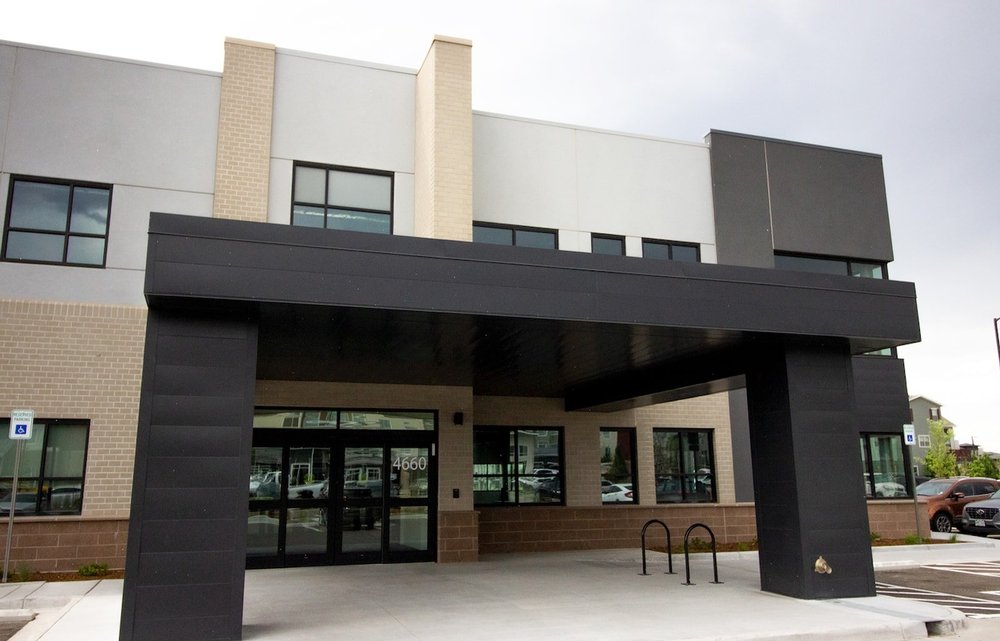
Same-week appointments are typically available at all three.
Colorado is an at-fault state. Med-pay is optional cover in Colorado but most drivers carry it, and it usually pays for crash treatment without going anywhere near your health insurance deductible. Fault does not affect it — med-pay pays regardless of who caused the crash.
In most cases the bill goes to med-pay or to your health insurance. If you are represented, treatment can be arranged so costs are settled from the claim rather than paid up front. Whichever it is, coverage is checked before treatment starts.






Treatment and the claim are two separate things. We handle our side so you can be treated while the rest is still open.
If an attorney is already involved, bring their contact details and we will work with their office directly: treatment records, imaging and the notes that document the injury. If you do not have an attorney, you do not need one to be seen here.
Bring your claim number and the adjuster’s name if you have them. If you do not have them yet, come anyway and we will work it out with you.
Yes. Whiplash and soft-tissue symptoms often appear 24 to 72 hours after a collision, and early evaluation both protects your health and documents your injuries.
Begin with someone who treats musculoskeletal and nerve injury: a chiropractor, a physical therapist or a Pain Management physician. An emergency room exists to rule out what could kill you; it rarely treats the whiplash, back and neck pain that arrives in the days afterwards.
Go to the ER or call 911 if you lose control of your bladder or bowels; have numbness in the groin or inner thighs; have leg weakness that's getting worse; have back pain with a fever or unexplained weight loss; have severe pain after a major fall or crash; or have chest pain, shortness of breath, or the worst headache of your life. Our chiropractors screen for these warning signs at your first exam, and if something needs medical care, our Pain Management providers or your own doctor can see you first.
Same-week appointments are typically available at our Denver clinics.
We work with med-pay, auto insurance and most major health plans. Where you are legally represented, treatment can be set up so the cost comes out of the claim instead of your pocket.
Care steps up without a new referral — Physical Therapy for rehabilitation, and Pain Management physicians for injections or nerve blocks where those are appropriate. In Colorado, procedures are performed at our Northglenn and InterQuest clinics and at our surgery center in Denver. Spine injections are also performed at Lowry on specific days.
Yes. Colorado med-pay pays regardless of fault.
No. Two labels, one kind of care. Either way it means a chiropractor treating collision injuries and writing them up for a claim. The question worth asking is whether the clinic examines and images before treating, and whether a physician is there if manual therapy is not enough.
In practice, yes. Personal injury is the wider term: any accident where another party may be liable, whether that is a collision, a fall or something at work. Examination, treatment and documentation do not change; what differs is where the claim comes from.
Yes. Auto med-pay is billed directly after a collision, or we carry the lien ourselves, so nothing comes out of your pocket while the claim is still open. Coverage is checked before you come in, not once treatment has started.
Your own uninsured or underinsured motorist cover may be what pays. Colorado requires insurers to offer medical payments coverage, and it is in force unless you declined it in writing — so in most cases it pays whoever was at fault. What you actually have is checked before you come in.
Yes. We coordinate with your attorney for the length of treatment and send records through to their office.
Yes. Medical transportation can be arranged for accident patients and billed to the lien.
Whether people type car accident chiropractor, auto accident chiropractor or car accident doctor, they generally want the same thing — someone who can name the injury and begin treating it. Most crash injuries call for both. The physician examines, orders imaging if the findings justify it, and puts the diagnosis in writing. The chiropractor treats the soft-tissue and joint damage that accounts for most collision injuries.
Split those across two buildings and you become the courier for your own history, with the record arriving at the adjuster in fragments. Where a car accident injury clinic holds both under one roof, with Physical Therapy and interventional Pain Management in the same building, the plan can change without restarting and the documentation is written as treatment goes along. When symptoms run past the first few weeks, Pain Management is the next step in the same practice — not a referral somewhere else.
Auto injury treatment in Denver starts with that examination, not with a course of care decided in advance.
Our clinics cover Aurora — Southlands in the east and Briarwood in the center and south. Both can usually see you within the same week after a collision, and both treat work injuries to the same documentation standard.

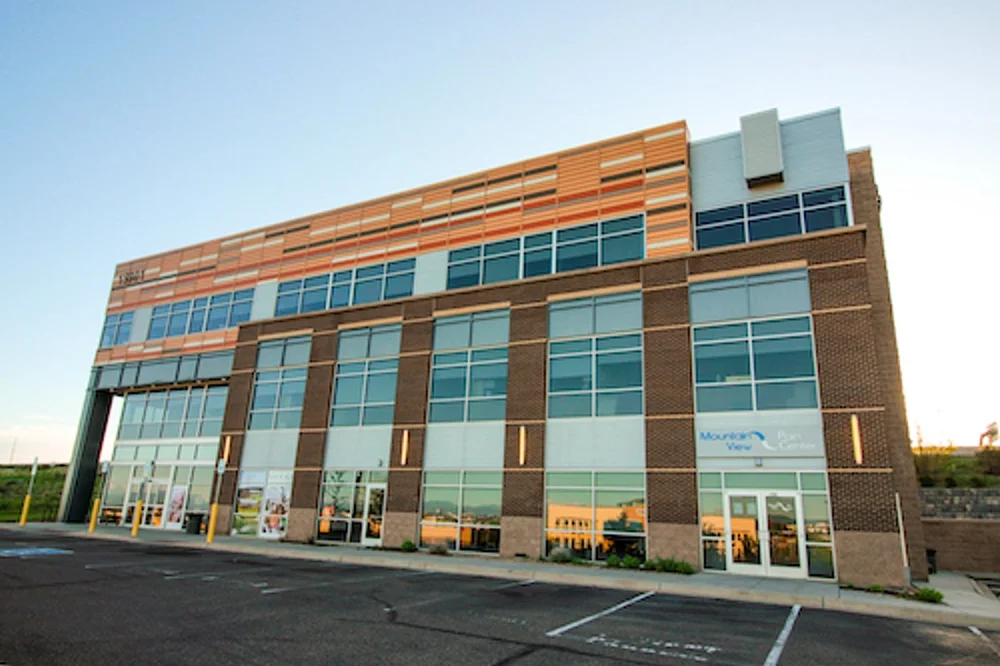
The Estes Street clinic covers Littleton, Ken Caryl, Columbine, Bow Mar, Roxborough, Columbine Valley and southwest Denver.
The Grant Street clinic covers Northglenn, Thornton, Westminster, Broomfield, Federal Heights and north Denver. Rush-hour rear-endings on the I-25 north corridor account for a large share of what it sees.
Crash corridors we see most
Adrenaline masks injury for the first one to three days, so the absence of obvious pain on the day of the crash tells you very little. A dated clinical record from week one is the strongest evidence a claim can have.
Keep the appointments you book. A disc injury can declare itself in week three, and a complete record shows what changed and when.
Board-certified Pain Management providers and licensed chiropractors work in the same building at every Denver-metro clinic, so the exam, the imaging referral and the first treatment happen together rather than across offices over three weeks.
Beyond whiplash, the mechanisms we see most are shoulder injuries from seatbelt and steering-wheel impact, concussion-related headaches and neck pain, nerve pain with numbness or tingling into the arms or legs, and knee and hip injuries from dashboard contact.
For auto injury care across Colorado and Arizona, see car accident injury treatment.
En español: accidente de auto en Denver.