

Whiplash is a neck strain caused when the head is whipped rapidly backward and forward — most often in rear-end collisions, even low-speed ones — straining the neck's muscles, ligaments, joints and discs. Mountain View Pain Center treats it with Chiropractic adjustment, Physical Therapy and, for more severe pain, image-guided injections, combined on one team so the plan can shift as symptoms evolve. Symptoms often don't appear until hours or days after the crash, which is exactly why "I felt fine at the scene" is the most common opening line we hear.
Same-week appointments are usually available.
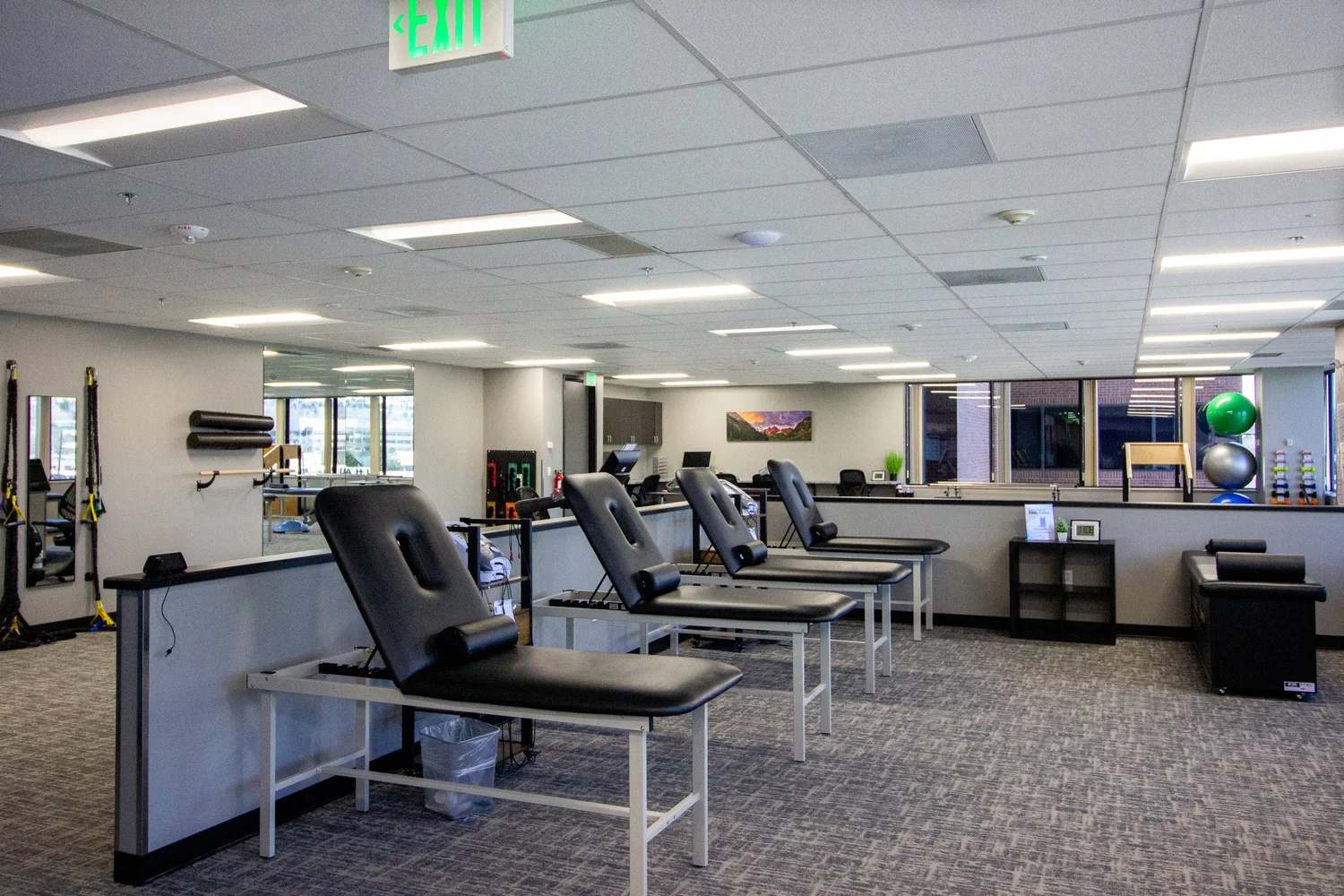
Every Mountain View Pain Center chiropractor is trained in whiplash and auto-injury care. That is where it starts, not where it ends.
Your care is delivered by a team — board-certified Pain Management physicians, the advanced-practice providers they supervise, chiropractors and physical therapists — all working from one chart, so the record your adjuster or attorney receives is complete and consistent.
Medical transportation is available for accident patients, and it can be billed to the lien, so getting to appointments is not the thing that ends your treatment early.
Spanish-language communication is available at every clinic through real-time translation.
We coordinate with your attorney throughout treatment.
Neck pain and stiffness (often worse the day after), headaches starting at the base of the skull, shoulder and upper-back pain, dizziness, fatigue, jaw pain, tingling into the arms, and difficulty concentrating. Get checked urgently for severe headache, weakness, numbness, or confusion.
The research is consistent: early, active treatment produces better outcomes than rest and waiting. A meaningful share of untreated whiplash patients develop chronic neck pain and headaches. A soft collar and a wait-and-see approach is outdated care; guided movement, started early, is the modern standard. There's a practical reason too — if another driver was at fault, prompt evaluation creates the medical record that connects your injury to the crash. Delayed care is both a health risk and a claim risk.
Clinicians classify whiplash-associated disorder in grades, and the grade guides how aggressive treatment needs to be.
Most patients who come to us fall into Grade I or Grade II, where early guided movement does the most good.
Plan on about an hour.
Every neck is different, but this is the shape recovery usually takes with active treatment.
Treatment and the claim are two separate things. We handle our side so you can be treated while the rest is still open.
If an attorney is already involved, bring their contact details and we will work with their office directly: treatment records, imaging and the notes that document the injury. If you do not have an attorney, you do not need one to be seen here.
Bring your claim number and the adjuster’s name if you have them. If you do not have them yet, come anyway and we will work it out with you.
Same-week appointments after a collision are usually available across every clinic.
Denver metro: Downtown Denver, Central Park, Lowry, Lakewood, Littleton, Highlands Ranch, Lone Tree, Southeast Aurora, Southlands in Aurora, Northglenn, and Lafayette.
Northern Colorado: Fort Collins and Greeley.
Colorado Springs: Academy, InterQuest, and Tenderfoot.
Arizona: North Phoenix, Deer Valley, Glendale, Peoria, Mesa, and Chandler.
Reviewed by the clinical team at Mountain View Pain Center. Last reviewed August 2026.
Every clinic below has Chiropractic, Physical Therapy, Acupuncture and Pain Management on one chart, so care can move between them without a new referral.
Downtown out through the north, west, south and east suburbs.
Academy, InterQuest and Tenderfoot cover the north, central and south of the city.
Harmony in Fort Collins and our Greeley clinic serve Larimer and Weld counties.
Across the Valley, from the West Valley through Phoenix to the East Valley.
Yes. Whiplash symptoms commonly emerge 24–72 hours after a collision, and an early exam protects both your recovery and your claim.
Many patients recover in weeks with active treatment. Without it, a significant minority develop symptoms lasting months or years — early care is the best predictor of a short course.
Care after a collision is usually covered by auto insurance or med-pay, and in many cases we can treat on a lien so you can start care now and settle the bill when your claim resolves. Our front desk handles this every day — just ask.
Usually, yes. Whiplash is one of the injuries where being examined early matters, and no referral is needed to book.
Yes. After a collision we bill auto med-pay directly, or we hold the lien ourselves, so you are not paying out of pocket while the claim is open. Benefits are verified before your first visit rather than after it.
Your own uninsured or underinsured motorist coverage may apply. In Colorado insurers must offer medical payments coverage and it applies unless you rejected it in writing; in Arizona it is optional. We check what your policy actually includes before your first visit.
Yes. We coordinate with your attorney throughout treatment and send records to their office.
Yes. Medical transportation is available for accident patients, and it can be billed to the lien.
Whiplash rarely turns up on its own. The two that most often come with it have their own pages: back pain after a car accident and a herniated disc from a car accident.
If the dominant symptom is the headache rather than the neck, headache after a car accident covers why the two are connected.
Whiplash Treatment After a Car Accident is treated at every Mountain View Pain Center clinic in Colorado and Arizona — see the full clinic map, Colorado or Arizona.